There’s something special about cooking your favorite vegetarian dishes using ingredients you’ve grown with your own hands. Among all the vegetables you can cultivate at home, potatoes stand out as one of the most rewarding — and the most versatile. From crispy golden fries and creamy mashed potatoes to hearty curries and baked delights, these underground gems can transform every meal into something comforting and delicious.
But before potatoes make it to your plate, they start as humble tubers nestled beneath the soil, quietly growing into a nutritious staple that has fed generations around the world. If you’ve ever wanted to fill your vegetarian recipes with homegrown flavor, this guide will show you how to grow potatoes — right in your backyard, balcony, or even a small container garden.
1. Why Potatoes Are a Vegetarian Kitchen Essential
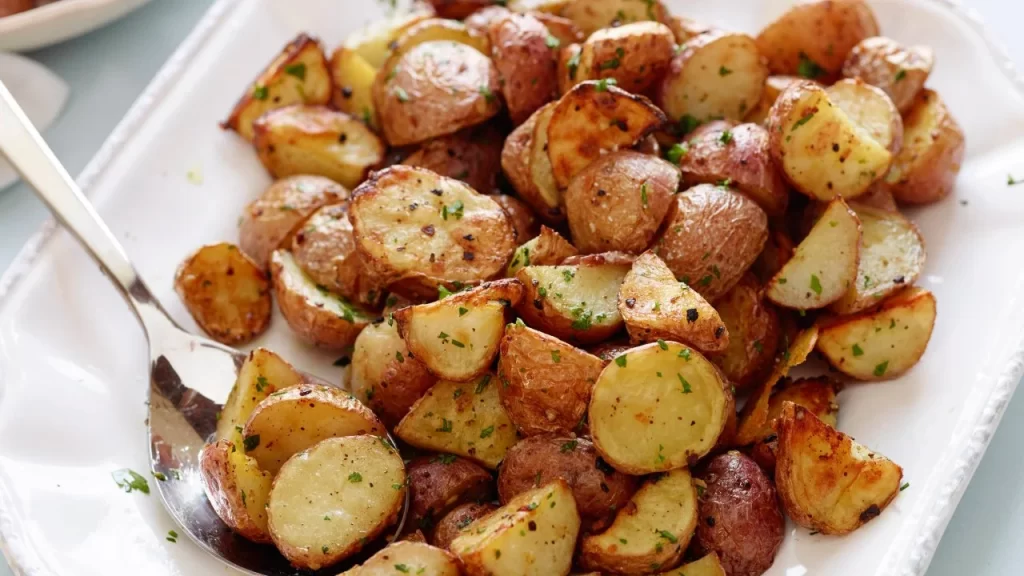
For vegetarians, potatoes are a true culinary workhorse. They’re hearty enough to form the base of a meal, mild enough to pair with nearly any seasoning, and packed with nutrients that keep you energized and satisfied.
Here’s what makes them such a powerhouse ingredient:
- Nutrient-rich: Potatoes are a great source of potassium, vitamin C, and vitamin B6 — all vital for energy and immunity.
- Versatile: You can roast, mash, fry, bake, or boil them for countless vegetarian dishes.
- Satisfying and filling: Their natural starches make them a wholesome substitute for meat-based meals.
- Budget-friendly: Potatoes are inexpensive to grow and produce an abundant harvest with minimal effort.
Whether you’re preparing a rich potato curry, a simple stir-fry, or a comforting casserole, growing your own ensures fresher, tastier, and more sustainable ingredients for every dish.
2. Choosing the Right Potato Variety for Your Recipes
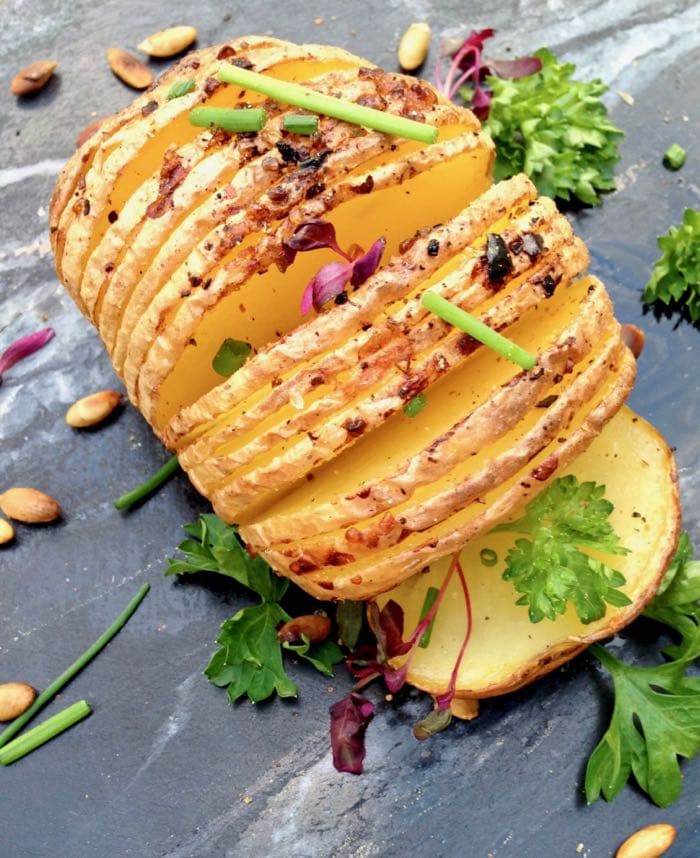
Not all potatoes are created equal. Some varieties are fluffy and perfect for mashing, while others hold their shape better for roasting or salads. Choosing the right type ensures your vegetarian recipes shine.
Floury (Starchy) Potatoes
Ideal for: Mashed potatoes, baked potatoes, and fries.
- Examples: Russet Burbank, King Edward, Maris Piper.
These potatoes have a dry, fluffy texture that absorbs flavors and seasonings beautifully.
Waxy Potatoes
Ideal for: Curries, salads, stews, and soups.
- Examples: Red Pontiac, Charlotte, Yukon Gold.
They hold their shape after cooking, making them perfect for saucy or creamy vegetarian dishes.
All-Purpose Potatoes
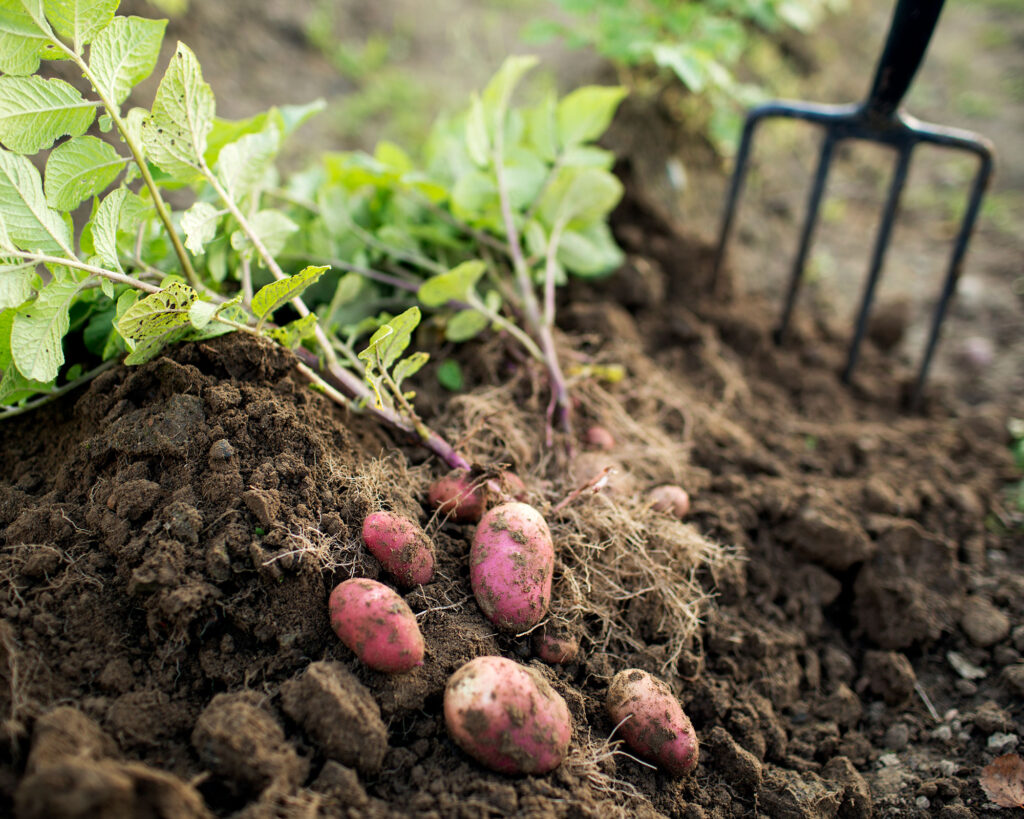
Ideal for: Everyday cooking — from roasts to curries.
- Examples: Desiree, Kennebec, Norland.
These balance firmness and fluffiness, offering versatility for various recipes.
Pro tip: Buy certified seed potatoes from a nursery instead of using grocery store potatoes. Store-bought ones are often treated with anti-sprouting chemicals that can affect growth.
3. Preparing Your Garden or Containers
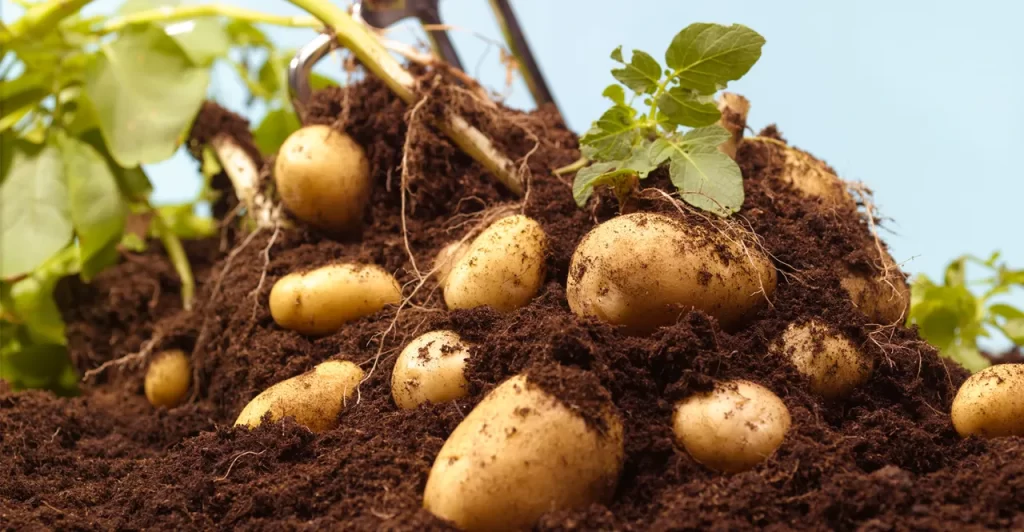
Potatoes aren’t fussy, but they do love the right conditions — especially loose, nutrient-rich soil where they can expand underground.
In-Ground Gardening:
- Choose a sunny location — potatoes need at least 6–8 hours of sunlight daily.
- Loosen the soil to about 10 inches deep. Remove rocks and debris to give the tubers room to grow.
- Mix in compost or aged manure for added nutrients.
- Aim for a slightly acidic soil pH between 5.0 and 6.5.
Container or Bag Gardening:
If space is limited, potatoes grow beautifully in large pots, buckets, or grow bags.
- Use a well-draining potting mix enriched with compost.
- Choose containers at least 18 inches deep.
- Make sure they have drainage holes to prevent waterlogging.
Growing potatoes in containers allows you to easily control soil quality and harvest them without heavy digging.
4. Pre-Sprouting (Chitting) Seed Potatoes
Before planting, you can encourage your potatoes to sprout — a process known as chitting.
Steps to chit potatoes:
- Place seed potatoes in an egg carton or shallow tray with the “eyes” facing upward.
- Keep them in a cool, bright spot (around 60°F or 15°C) for 2–3 weeks.
- Once the sprouts are about 1 inch long, they’re ready to plant.
Pre-sprouting gives your potatoes a head start and helps ensure a quicker, healthier harvest.
5. Planting Potatoes: Step-by-Step
When your seed potatoes are ready, it’s time to plant.
In the Ground:
- Dig trenches 6–8 inches deep and 2–3 feet apart.
- Place each seed potato (sprouts facing up) about 12 inches apart.
- Cover with 4 inches of soil.
- As the plants grow, gradually mound soil around the stems — this is called hilling (explained below).
In Containers:
- Fill the bottom with 4 inches of soil.
- Add 2–3 seed potatoes and cover them with another 4 inches of soil.
- As plants grow, keep adding soil until the container is full.
Potatoes thrive best in cool weather, so aim to plant them 2–3 weeks before your region’s last frost date.
6. The Importance of Hilling
Hilling is a critical part of growing potatoes and directly affects your yield.
What is hilling?
As potato plants grow, you pile soil around their base, burying part of the stem.
Why it matters:
- Prevents tubers from turning green (exposure to sunlight makes them toxic).
- Encourages more potatoes to form underground.
- Helps with moisture retention and weed control.
Start hilling when your plants are 8 inches tall, and repeat every couple of weeks until the mounds reach 8–10 inches high.
7. Watering and Feeding Your Plants
Potatoes love consistent moisture but dislike soggy soil.
Watering tips:
- Water deeply once or twice a week.
- Avoid overwatering — waterlogged soil can cause rot.
- Always water at the base, not on the leaves, to prevent fungal diseases.
Fertilizing tips:
- Add compost or organic fertilizer every 3–4 weeks during growth.
- Stop fertilizing once the plants start flowering — that’s when the tubers begin forming.
Balanced moisture and nutrition lead to firm, flavorful potatoes perfect for your vegetarian dishes.
8. Common Pests and How to Manage Them
Even the healthiest gardens can attract pests, but most potato problems are easy to manage.
Watch out for:
- Colorado Potato Beetles: Pick them off by hand or spray with neem oil.
- Aphids: Remove with a strong jet of water or insecticidal soap.
- Wireworms: Rotate crops yearly and avoid planting potatoes in the same spot consecutively.
Diseases to prevent:
- Blight: Ensure good air circulation and avoid overhead watering.
- Scab: Maintain soil acidity and avoid fresh manure before planting.
Healthy soil and crop rotation are your best defenses against these issues.
9. Harvesting Your Potatoes
Harvest time is when your hard work pays off.
For baby (new) potatoes:
Harvest 10–12 weeks after planting, when plants begin to flower. These are small, tender, and perfect for salads or light vegetarian dishes.

For mature potatoes:
Wait until the foliage turns yellow and dies back — about 18–20 weeks after planting. Carefully dig around the plants and lift the potatoes with a garden fork.
Pro tip: Handle them gently to avoid bruising. Leave them in a cool, shaded area for a few hours to dry before storing.
10. Storing Your Potato Harvest
Proper storage extends the freshness of your homegrown potatoes for months.
To store:
- Cure potatoes in a dark, ventilated area for 10–14 days at around 50°F (10°C).
- Brush off excess dirt — don’t wash before storage.
- Keep them in a cool, dark place (around 40°F or 4°C).
- Avoid storing near onions — they release gases that cause potatoes to spoil faster.
Stored properly, you’ll have a steady supply of potatoes for your vegetarian cooking well into winter.
11. Cooking with Homegrown Potatoes: Vegetarian Favorites
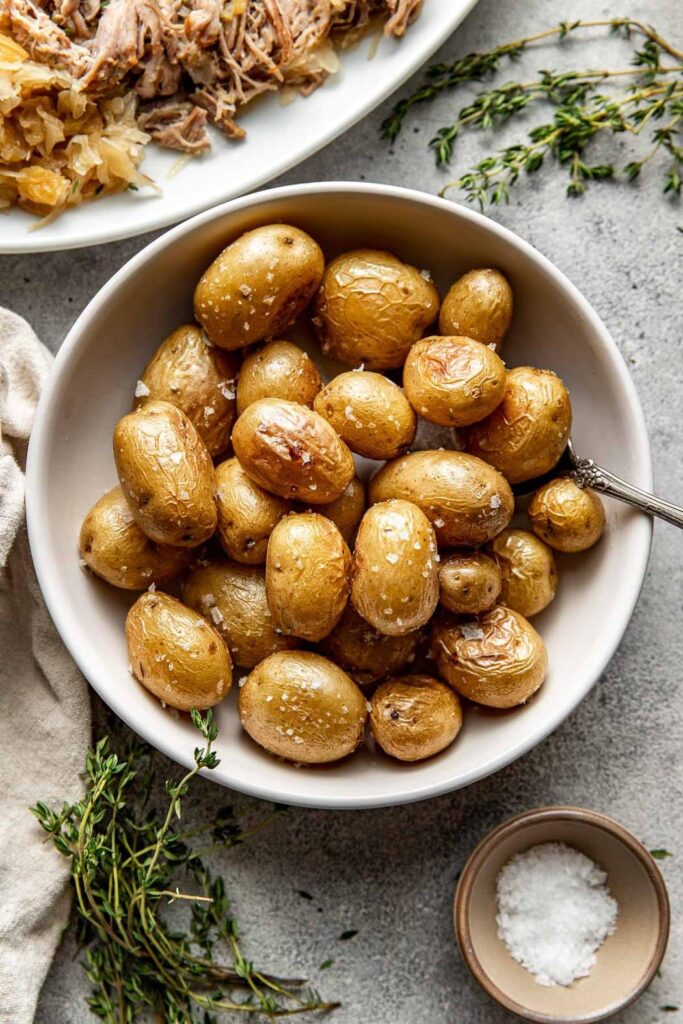
Once you’ve harvested your bounty, it’s time to bring your garden’s rewards to the table. Potatoes can star in countless vegetarian recipes — from traditional comfort foods to global-inspired dishes.
Here are a few ideas to try:
- Aloo Gobi (Indian Potato-Cauliflower Curry): Fragrant, spiced, and wholesome — perfect with chapati or rice.
- Garlic Herb Roasted Potatoes: Crispy on the outside, soft on the inside — an ideal side dish for any meal.
- Creamy Potato Soup: Smooth and comforting, made richer with a splash of coconut milk.
- Vegetarian Shepherd’s Pie: Layers of sautéed vegetables topped with fluffy mashed potatoes.
- Potato and Spinach Patties: Pan-fried and protein-packed — perfect for quick lunches or snacks.
Each dish tastes even better knowing the key ingredient came from your own backyard.
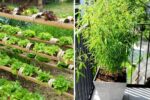
12. The Joy of Growing Your Own Food
Growing potatoes is more than just a gardening project — it’s a way to connect with your food, appreciate sustainability, and embrace healthier living. Every time you dig into your garden, you’re nurturing both the soil and your well-being.
By growing your own potatoes, you’re not just cultivating vegetables — you’re cultivating independence, creativity, and flavor. From soil to skillet, your homegrown potatoes will elevate your favorite vegetarian recipes to new levels of freshness and satisfaction.
So grab a few seed potatoes, prepare a sunny corner of your garden, and start planting. Soon, you’ll be cooking up vegetarian dishes that don’t just taste amazing — they tell a story of care, sustainability, and the joy of growing your own food.