There’s something magical about making a pizza from scratch — rolling the dough, layering on the sauce, sprinkling cheese, and arranging colorful veggies on top. But imagine this: every vibrant topping on your pizza — from the juicy tomatoes to the fresh basil and crisp bell peppers — comes straight from your own kitchen garden. Growing your own pizza ingredients not only elevates the flavors but also connects you deeply to the food you love. This guide will show you how to create a thriving kitchen garden designed specifically for growing the ultimate veggie pizza ingredients — fresh, organic, and full of flavor.
1. Why Grow a Pizza Garden?

A kitchen garden for pizza is more than just a hobby — it’s a delicious investment in your culinary lifestyle. The produce you grow at home bursts with flavor, aroma, and nutrition that store-bought veggies can’t match. Plus, it’s incredibly rewarding to pick ingredients fresh from your garden and see them transformed into a mouthwatering homemade meal.
You’ll also save money and reduce your carbon footprint by cutting down on packaged produce and frequent grocery trips. For families, it’s a fun and educational project — especially for kids who love helping plant seeds and harvest toppings for family pizza night.
2. Planning Your Pizza Garden
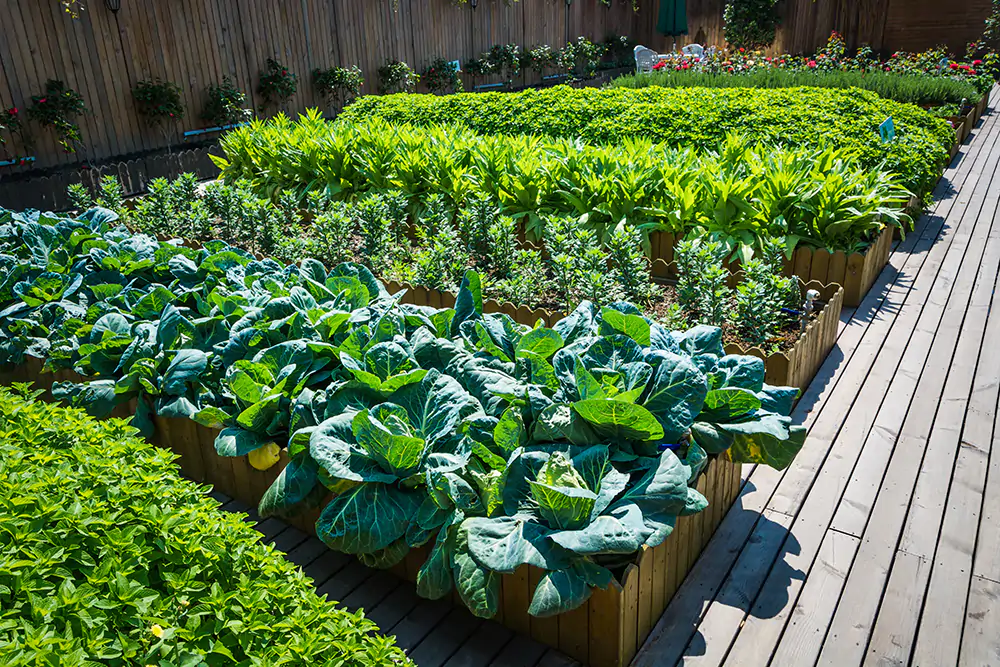
Before planting, take a moment to plan your layout. Your kitchen garden can thrive in a backyard plot, on a sunny balcony, or even in containers if space is limited. The key is sunlight — most pizza veggies need at least 6–8 hours of direct sunlight daily.
Start small. Focus on essential pizza ingredients you use often:
- Tomatoes – for your base sauce
- Basil and oregano – classic pizza herbs
- Bell peppers and onions – colorful, crunchy toppings
- Spinach or arugula – for fresh greens
- Garlic – for flavor depth in sauces
You can expand later with other favorites like mushrooms, zucchini, or cherry tomatoes for extra toppings.
3. Growing Tomatoes – The Heart of Pizza Sauce
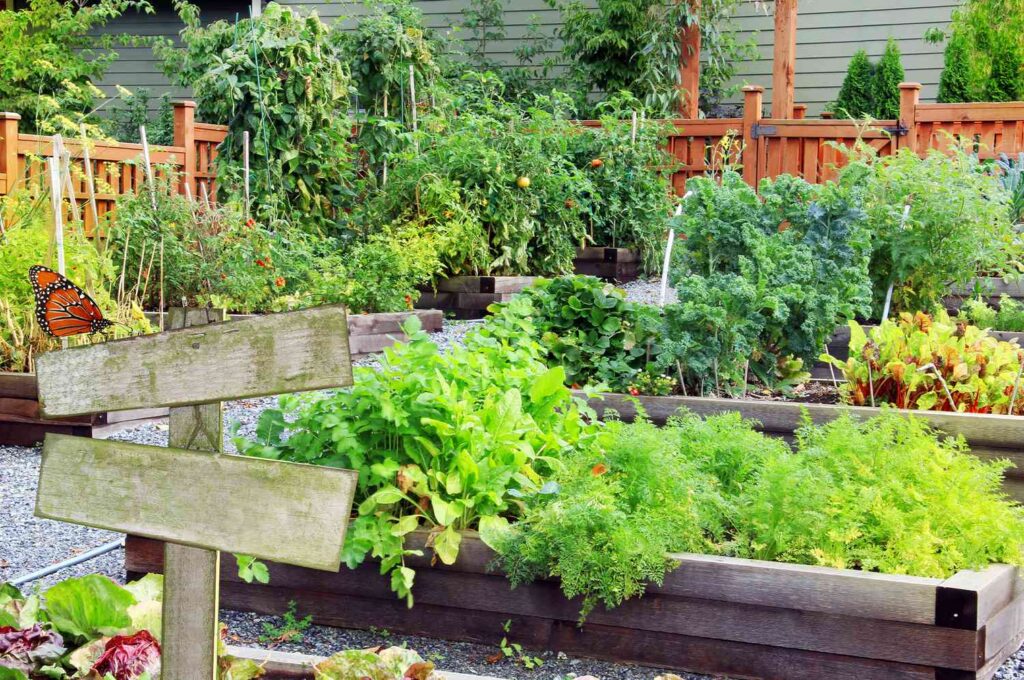
Tomatoes are the soul of a good pizza. For a rich, flavorful sauce, choose varieties like Roma, San Marzano, or Amish Paste — all known for their meaty texture and low water content.
Planting Tips:
- Start seeds indoors 6–8 weeks before the last frost.
- Transplant seedlings outdoors once the soil warms above 60°F (15°C).
- Space plants 18–24 inches apart.
- Water consistently, keeping soil moist but not soggy.
Pro tip: Add crushed eggshells to the soil for calcium — this helps prevent blossom end rot. When harvesting, pick fully ripened tomatoes for the best flavor and sweetness.
4. Fresh Herbs for Authentic Flavor
No pizza is complete without herbs. Fresh basil, oregano, and thyme can turn a simple tomato sauce into a masterpiece.
Basil:
- Loves warmth and sunlight — at least 6 hours daily.
- Pinch off flower buds to encourage leaf growth.
- Harvest regularly to keep plants bushy and productive.
Oregano:
- A hardy perennial herb that thrives in full sun.
- Water moderately — it prefers slightly dry soil.
- Harvest leaves when plants are 4–6 inches tall.
Thyme and Rosemary:
- Perfect for Mediterranean-style pizzas.
- Drought-tolerant and ideal for small garden borders or pots.
Drying herbs or freezing them in olive oil cubes is a great way to preserve their flavors for the off-season.
5. Bell Peppers and Onions – The Crunchy, Sweet Toppings
For color and crunch, bell peppers and onions are must-haves.

Bell Peppers:
- Start seeds indoors 8–10 weeks before transplanting.
- Move plants outside once temperatures stay above 65°F (18°C).
- Water deeply but infrequently to encourage strong roots.
Peppers love the sun and will reward you with fruits in shades of green, yellow, orange, and red — each with a unique sweetness level.
Onions:

- Choose sets or transplants instead of seeds for quicker growth.
- Plant in well-drained soil with full sunlight.
- Water evenly, and don’t let the soil dry out completely.
When the tops start falling over naturally, it’s time to harvest. Cure onions in a dry, shaded spot before storing them for long-term use.
6. Spinach and Greens – A Fresh Pizza Upgrade

Fresh greens like spinach or arugula add a burst of color and nutrition to your pizza. They’re easy to grow and perfect for cool weather.
Spinach:
- Plant in early spring or late summer.
- Prefers cooler temperatures (50–70°F).
- Keep soil moist and harvest outer leaves as they mature.
For a pizza twist, top your baked pizza with fresh baby spinach or arugula right after baking — the gentle heat wilts them beautifully without losing their crunch.
7. Garlic – The Flavor Powerhouse
Garlic is essential for making irresistible pizza sauces and roasted toppings. It’s easy to grow and stores well for months.
Planting Tips:

- Plant garlic cloves in the fall, about 2 inches deep and 6 inches apart.
- Choose a sunny, well-drained spot.
- Harvest when the lower leaves start turning brown in summer.
Let the bulbs cure in a dry, ventilated space before storing. You can also use garlic scapes (the curly green shoots) for milder flavor in sauces or stir-fries.
8. Growing in Containers: Small Space, Big Harvest
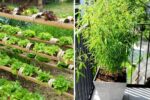
If you don’t have a yard, don’t worry — container gardening works perfectly for pizza ingredients. Use pots at least 12 inches deep for tomatoes and peppers, and smaller ones for herbs.
- Choose well-draining soil and organic compost.
- Water regularly — container plants dry out faster.
- Rotate pots weekly for even sunlight exposure.
A sunny balcony or windowsill can become your personal pizza garden paradise.
9. Sustainable Gardening Practices
To keep your pizza garden thriving naturally:
- Compost kitchen scraps like vegetable peels for nutrient-rich soil.
- Mulch around plants to retain moisture and reduce weeds.
- Attract pollinators by planting flowers like marigolds or nasturtiums nearby.
- Use natural pest control — neem oil and ladybugs help keep aphids and mites away.
By following eco-friendly methods, you’ll grow healthier produce while protecting your garden ecosystem.
10. Harvest and Pizza Night!
The best part of all your hard work comes when it’s time to harvest and cook. Gather your sun-ripened tomatoes, snip fresh herbs, and pick vibrant veggies.
Make your sauce by simmering tomatoes with garlic, basil, and oregano. Sauté peppers and onions for a smoky topping. Spread everything on homemade dough, sprinkle cheese or vegan alternatives, and bake until golden perfection.
The moment you take that first bite — knowing it’s all homegrown — is pure satisfaction.
Conclusion: Cultivate, Create, and Celebrate
Starting a kitchen garden for veggie pizza ingredients is a joyful blend of gardening, cooking, and creativity. You don’t need acres of land — just a sunny spot, a few pots, and the desire to grow your own food.
By cultivating tomatoes, herbs, peppers, onions, and greens, you’ll not only enjoy fresher, healthier meals but also experience the pride of creating something from soil to slice. Each pizza night becomes a celebration of your garden’s bounty — a reminder that the best flavors truly begin at home.
So grab your trowel, plant those seeds, and get ready for the most delicious pizza nights of your life — straight from your own kitchen garden!