There’s something beautifully comforting about a bowl of homemade soup. Whether it’s a hearty vegetable stew, a creamy potato bisque, or a light, clear broth, soup has an almost magical ability to soothe and nourish. Now imagine if every spoonful of that soup came from vegetables you grew yourself — fresh, organic, and full of flavor. That’s the joy of creating a soup garden: a collection of vegetables, herbs, and aromatics specifically chosen to make the perfect broth and elevate your home-cooked soups to a whole new level.
This guide will walk you through everything you need to know — from planning and planting your soup garden to harvesting and using your produce to create rich, flavorful broths. With a bit of space, sunshine, and care, your backyard can become the heart of your kitchen’s comfort food.
🥕 Why Grow a Soup Garden?

Soup gardens are practical, beautiful, and surprisingly easy to maintain. Here’s why every home cook should grow one:
- Freshness equals flavor: Freshly picked vegetables have unmatched taste and aroma. The difference they make in your broth is remarkable.
- Healthier meals: Homegrown veggies are free from pesticides and preservatives. You control exactly what goes into your food.
- Sustainable cooking: Growing your own ingredients reduces waste, packaging, and transport emissions.
- Cost-effective: A small patch of soil can yield months’ worth of vegetables and herbs.
- Creative cooking: Having a soup garden inspires experimentation — from classic minestrone to spicy lentil soup or creamy chowders.
A soup garden lets you cook with confidence, knowing your ingredients are as fresh as possible — straight from your garden to your pot.
🌱 Step 1: Plan Your Soup Garden
Before you start planting, decide what kind of soups you love most. Do you enjoy clear vegetable broths, creamy chowders, or tomato-based soups? Your favorite flavors will determine what you grow.
🥣 The Basic Soup Garden Staples
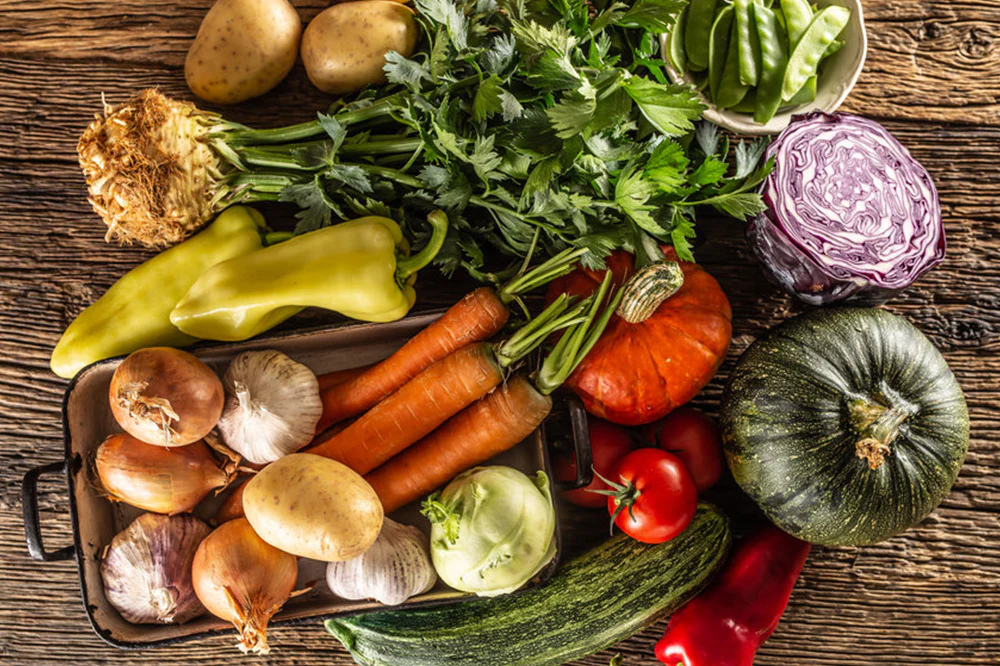
- Carrots – Sweet, colorful, and essential for depth of flavor.
- Celery – Adds aroma and a subtle peppery taste to broth.
- Onions – The base of almost every soup, offering savory richness.
- Garlic – Enhances flavor and adds warmth.
- Leeks – Perfect for creamy soups and mild broths.
- Potatoes – Add body, creaminess, and heartiness.
- Tomatoes – For tangy, rich soups and broths.
- Herbs (parsley, thyme, bay leaves) – Give your soup garden fragrance and balance.
If you have extra space, consider adding green beans, kale, spinach, or peas — they blend beautifully into most soup recipes.
🌞 Step 2: Choose the Right Spot

Most soup vegetables love full sunlight — at least six hours per day. Choose a location with well-draining soil, as standing water can damage root crops like onions and carrots.
If space is limited, raised beds or containers work perfectly for soup gardens. You can even plant herbs in window boxes or hanging baskets near your kitchen for easy access.
Tip: Keep taller plants (like tomatoes) at the back of your garden bed and shorter ones (like herbs) near the front to maximize sunlight exposure.
🌿 Step 3: Preparing the Soil
Healthy, nutrient-rich soil is the secret to flavorful soup ingredients.
- Loosen the soil: Dig or till to about 12 inches deep to allow roots to grow freely.
- Add compost: Mix in organic compost or aged manure to boost fertility and structure.
- Check pH: Aim for slightly acidic to neutral soil (6.0–7.0).
- Mulch: After planting, use straw or leaves to retain moisture and prevent weeds.
Good soil will yield vegetables bursting with nutrients and taste — the perfect foundation for a great broth.
🌾 Step 4: Planting Your Soup Vegetables

Here’s how to plant and care for the most common soup garden crops:
🥕 Carrots
- Planting: Sow seeds directly into the ground in rows.
- Sunlight: Full sun (6–8 hours daily).
- Water: Keep soil moist, but not soggy.
- Harvest: Around 60–80 days when roots are thick and vibrant.
🌿 Celery
- Planting: Start from seedlings or transplants.
- Water: Requires consistent moisture; never let it dry out.
- Harvest: When stalks are thick and firm.
🧅 Onions
- Planting: Use onion sets or seedlings.
- Spacing: About 4 inches apart.
- Harvest: When tops begin to yellow and fall.
🧄 Garlic
- Planting: Plant cloves in fall for summer harvest.
- Tip: Keep soil loose and weed-free.
- Harvest: When leaves start to brown.
🍅 Tomatoes
- Planting: Transplant young plants after frost.
- Support: Use cages or stakes.
- Harvest: Pick when fully red and slightly soft to touch.
🥔 Potatoes
- Planting: Bury seed potatoes about 4 inches deep.
- Mound soil: Keep covering stems with soil as they grow to encourage more tubers.
- Harvest: When plants yellow and die back.
🌿 Herbs (Parsley, Thyme, Bay, Basil)
- Sun: Most herbs love sun.
- Water: Light but regular watering.
- Harvest: Trim leaves often to encourage growth.
Each of these plants adds a unique note to your soup pot — together, they create the perfect harmony of flavors.
🪴 Step 5: Maintaining Your Garden
A soup garden thrives with regular attention:
- Watering: Deeply water in the morning, allowing roots to soak up moisture before midday heat.
- Weeding: Keep beds clear to prevent nutrient competition.
- Pest control: Use natural remedies like neem oil, marigold borders, or companion planting (e.g., basil near tomatoes).
- Crop rotation: Change planting spots each year to avoid soil depletion.
Gardening is a patient art, but watching your vegetables grow is one of the most rewarding sights for any home cook.

🧺 Step 6: Harvesting and Storing
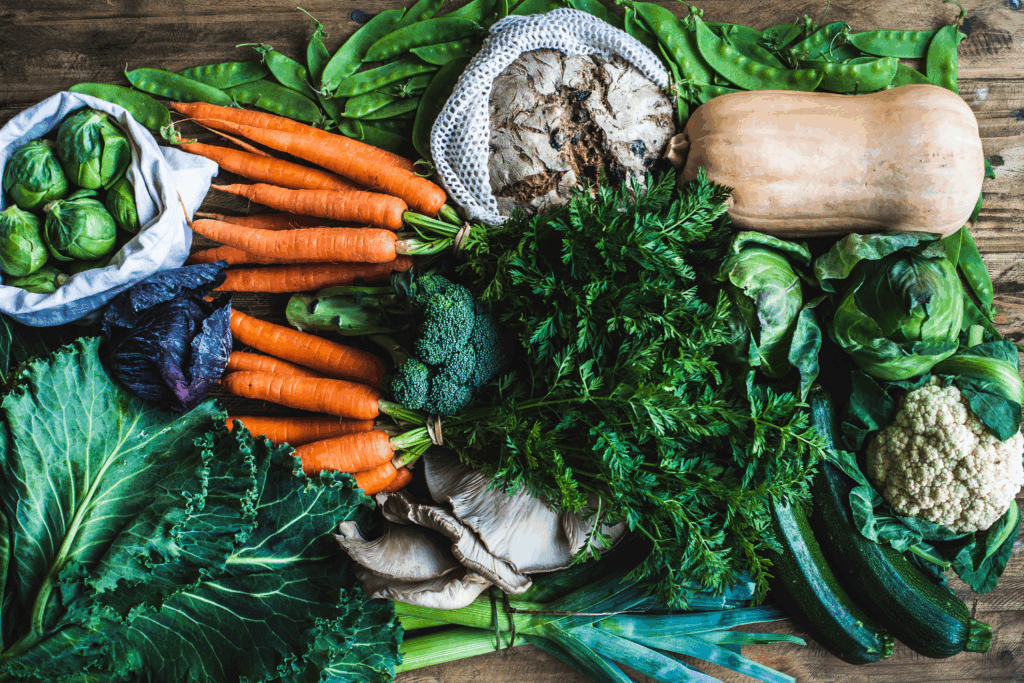
Harvest your vegetables at their peak for maximum flavor:
- Pick herbs early in the morning for best aroma.
- Pull carrots, onions, and potatoes once tops begin to wilt.
- Use fresh produce immediately for soup, or store in a cool, dry place.
- For long-term use, freeze chopped vegetables or dry herbs for later.
🍲 Step 7: Turning Your Harvest Into the Perfect Broth
Now comes the most delicious part — cooking with your garden’s bounty! A well-made broth is the base of every great soup.
🌾 Basic Homemade Vegetable Broth Recipe
Ingredients:
- 2 carrots
- 2 celery stalks
- 1 onion
- 3 garlic cloves
- 1 tomato or handful of cherry tomatoes
- 1 potato (optional, for thickness)
- Fresh herbs: parsley, thyme, bay leaf
- Salt, pepper, and olive oil
Instructions:
- Roughly chop all vegetables (no need to peel).
- Heat olive oil in a large pot, then sauté onions, garlic, and celery until fragrant.
- Add carrots, tomatoes, herbs, and water (about 8 cups).
- Simmer for 45–60 minutes.
- Strain and season to taste.
This golden broth is a flavor-packed base for countless soups — minestrone, lentil soup, mushroom stew, or even ramen-style bowls.

🍅 Soup Ideas from Your Garden
- Classic Vegetable Soup – Combine diced carrots, potatoes, tomatoes, celery, and beans in your homemade broth.
- Creamy Potato Leek Soup – Blend sautéed leeks, boiled potatoes, and vegetable stock for a velvety, rich texture.
- Tomato Basil Soup – Simmer garden-fresh tomatoes with garlic, basil, and onion.
- Hearty Lentil and Veggie Soup – Add lentils, kale, and herbs to your broth for a protein-packed, filling meal.
- Minestrone – A traditional Italian favorite brimming with garden vegetables, beans, and pasta.
Each dish highlights how versatile your soup garden can be — nourishing, flavorful, and entirely homegrown.
🌻 Tips for Success
- Grow year-round: Rotate cool-season (carrots, kale) and warm-season (tomatoes, peppers) crops.
- Add color: Grow rainbow carrots or purple basil for visual appeal and variety.
- Preserve your harvest: Freeze broth cubes for quick weeknight soups.
- Compost kitchen scraps: Return nutrients to your soil naturally.
🥄 From Seed to Soup Bowl
There’s a deep satisfaction in ladling a bowl of soup made entirely from ingredients you’ve nurtured. A soup garden connects you to every step of the process — from planting seeds in the soil to savoring the fragrant steam of a simmering pot.
It’s more than just gardening or cooking — it’s creating a lifestyle that values freshness, sustainability, and self-sufficiency.
So, grab your seeds, roll up your sleeves, and start your very own soup garden. With a bit of care and patience, your backyard will soon provide everything you need to craft the perfect broth — comforting, nourishing, and made from the heart.