Nothing says “comfort food” quite like a casserole — bubbling with flavor, golden on top, and filled with wholesome ingredients that warm the heart. But when those ingredients come from your own garden, every bite tells a story of freshness, effort, and homegrown pride.
“Easy Veggie Casseroles with Homegrown Goodness” is more than just a culinary concept — it’s a lifestyle rooted in sustainability, health, and the joy of growing your own food. Imagine layering sun-ripened tomatoes, garden-grown zucchini, freshly picked herbs, and colorful peppers into a hearty, oven-baked meal that not only nourishes the body but also celebrates the bounty of your backyard.
In this article, we’ll explore how to grow the perfect vegetables for casseroles, how to plan and care for your garden, and finally, how to turn those vibrant harvests into easy, comforting dishes the whole family will love.
1. The Heart of the Home: Why Homegrown Ingredients Matter

The modern world has made it easy to grab packaged or pre-chopped vegetables at the store, but nothing compares to the flavor and nutrition of produce that you’ve grown yourself. When you grow your own vegetables, you control every part of the process — from soil quality to water to harvest time.
Freshly picked veggies contain more vitamins, antioxidants, and flavor than those that travel long distances to reach supermarket shelves. More importantly, growing your own food connects you to nature’s rhythms — the patience of planting, the anticipation of growth, and the satisfaction of harvest.
And when it comes to casseroles — dishes that rely on layering, texture, and balance — freshness is key. The crunch of just-harvested peppers, the sweetness of vine-ripened tomatoes, and the aroma of garden herbs turn an ordinary casserole into a sensory experience.
2. The Essential Veggies for Casserole Gardening

To create an endless rotation of easy veggie casseroles, you need a variety of vegetables that blend beautifully when baked together. Here’s how to grow the core ingredients that will form the foundation of your homegrown casseroles.
1. Tomatoes: The Juicy Flavor Base
Why They’re Essential:
Tomatoes add moisture, tang, and depth to any casserole. From zesty pasta bakes to cheesy veggie layers, their versatility makes them indispensable.
How to Grow:
- Soil: Loamy, well-draining soil enriched with compost.
- Sunlight: At least 6–8 hours of direct sunlight daily.
- Planting Time: Start seeds indoors 6–8 weeks before the last frost, then transplant.
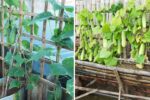
- Care: Water deeply and consistently. Support plants with stakes or cages.
- Harvest Tip: Pick when fully red and slightly soft to touch.
Pro Tip: Grow Roma or Cherry Tomatoes — they have less water content, perfect for baked dishes.
2. Zucchini and Squash: The Tender Layers

Why They’re Essential:
These mild, versatile vegetables soak up flavors beautifully and bake into tender, satisfying layers in casseroles.
How to Grow:
- Soil: Fertile, well-draining with plenty of organic matter.
- Sunlight: Full sun.
- Watering: Regular deep watering; mulch to retain moisture.
- Harvest Tip: Pick zucchinis when they’re about 6–8 inches long for the best flavor and texture.
Pro Tip: Grow both green zucchini and yellow squash for color contrast in your casseroles.
3. Bell Peppers: The Sweet and Colorful Crunch
Why They’re Essential:
Peppers add sweetness, crunch, and a pop of color — red, yellow, and orange varieties make casseroles visually stunning and full of flavor.
How to Grow:
- Soil: Rich, well-draining with compost.
- Sunlight: 6–8 hours of sunlight.
- Planting Time: After the danger of frost has passed.
- Care: Keep soil warm and moist; harvest when firm and glossy.
Pro Tip: Plant peppers near basil to improve flavor and deter pests naturally.
4. Spinach and Leafy Greens: The Nutrient Boost
Why They’re Essential:
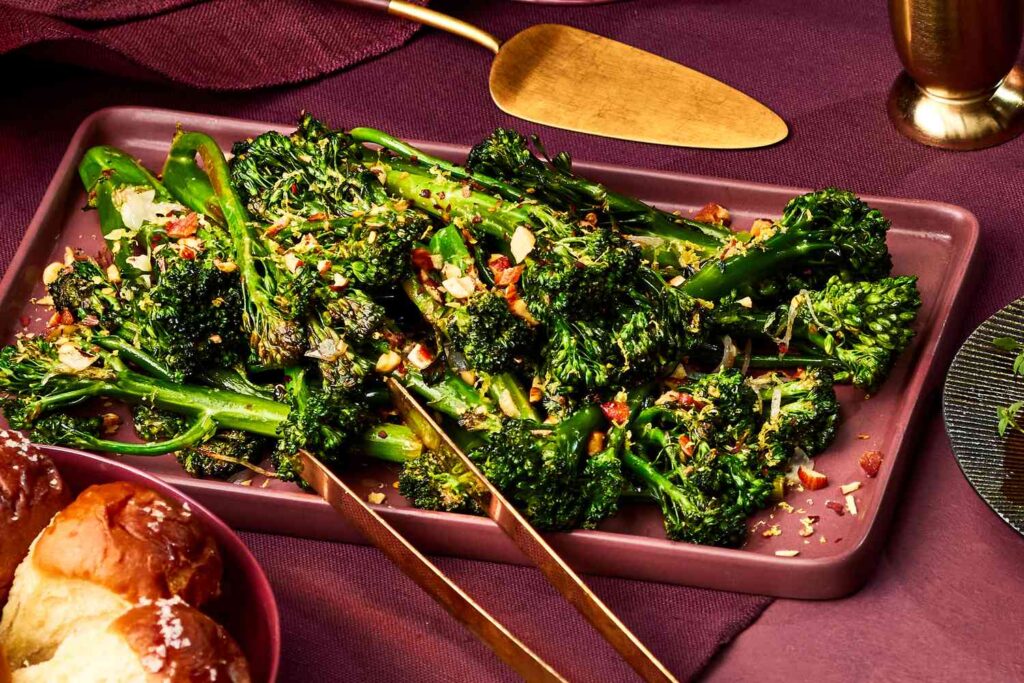
Greens like spinach, kale, and Swiss chard add nutrition, color, and an earthy flavor. They also bake down into a creamy texture that balances starches like potatoes or pasta.
How to Grow:
- Soil: Moist, fertile soil rich in compost.
- Sunlight: Partial shade or morning sun.
- Planting Time: Early spring or fall.
- Harvest Tip: Snip outer leaves regularly to encourage new growth.
Pro Tip: Mix spinach with ricotta or cheese in layered casseroles for a creamy, iron-rich filling.
5. Potatoes: The Comfort Ingredient

Why They’re Essential:
No comfort food lineup is complete without potatoes. They form the base for hearty casseroles like gratins or creamy vegetable bakes.
How to Grow:
- Soil: Loose, well-drained, and rich in organic matter.
- Planting Time: Late winter to early spring.
- Sunlight: Full sun.
- Care: Hill up soil around stems as plants grow to protect tubers.
- Harvest Tip: Harvest when the plants start to yellow and die back.
Pro Tip: Use baby potatoes or thinly sliced varieties like Yukon Gold for the best baking texture.
6. Onions and Garlic: The Aromatic Foundation
Why They’re Essential:
No casserole starts without the smell of sautéed onions and garlic. They build the savory foundation that enhances every other flavor.
How to Grow:

- Onions: Plant bulbs or sets in early spring in loose, nutrient-rich soil.
- Garlic: Plant cloves in the fall for a summer harvest.
- Sunlight: Full sun.
- Care: Keep soil slightly moist and weed-free.
Pro Tip: Caramelize your homegrown onions before adding them — their sweetness transforms any dish.
3. Designing Your Homegrown Casserole Garden
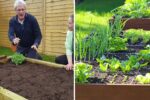
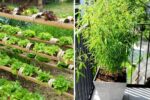
Creating a “Casserole Garden” is easier than it sounds. You can grow everything you need in raised beds, containers, or even small backyard plots.
Garden Layout Tips:
- Group by Growth Needs: Tomatoes, peppers, and basil love full sun; spinach and lettuce prefer partial shade.
- Vertical Gardening: Use trellises for tomatoes and beans to save space.
- Companion Planting:
- Tomatoes + Basil = flavor boost and pest protection.
- Onions + Carrots = natural pest deterrent.
- Peppers + Marigolds = fewer aphids and better yield.
Soil Health:
Add compost or aged manure before planting. Rotate crops each year to prevent soil depletion and disease. Mulch well to retain moisture and reduce weeds.
4. From Garden to Oven: Crafting the Perfect Veggie Casserole
Now that your garden is thriving, it’s time to turn your harvest into comforting, easy-to-make casseroles. Here are three versatile recipes using your homegrown bounty.
Recipe 1: Garden Zucchini-Tomato Bake
Ingredients:
- 2–3 homegrown zucchinis, sliced thin
- 3 homegrown tomatoes, sliced
- 1 onion, chopped
- 2 cloves garlic, minced
- ½ cup shredded cheese (mozzarella or cheddar)
- Fresh basil and oregano
- Olive oil, salt, and pepper
Method:
- Sauté onions and garlic until golden.
- Layer zucchini and tomatoes in a casserole dish.
- Drizzle with olive oil and sprinkle with herbs.
- Bake at 375°F (190°C) for 25–30 minutes.
- Add cheese on top and bake until melted and bubbly.
Flavor Tip: Add a sprinkle of breadcrumbs for a crispy topping.
Recipe 2: Creamy Spinach and Potato Casserole
Ingredients:
- 3 homegrown potatoes, thinly sliced
- 2 cups fresh spinach
- 1 onion, chopped
- 1 cup milk or cream
- 1 cup shredded cheese
- 1 tbsp butter, salt, and pepper
Method:
- Layer potatoes and spinach alternately in a buttered dish.
- Pour milk and sprinkle cheese between layers.
- Bake covered at 400°F (200°C) for 40 minutes, uncover and brown the top.
Flavor Tip: Add roasted garlic from your garden for a rich, creamy flavor.
Recipe 3: Pepper and Tomato Pasta Casserole
Ingredients:
- 2 cups cooked pasta
- 2 homegrown bell peppers, diced
- 2–3 tomatoes, crushed
- 1 onion, chopped
- 1 tsp oregano and basil
- ½ cup cheese
Method:
- Cook peppers, onions, and tomatoes until soft.
- Mix with pasta, herbs, and half the cheese.
- Transfer to a dish, top with remaining cheese, and bake for 20–25 minutes.
Flavor Tip: Garnish with fresh basil before serving for color and aroma.
5. The Benefits of Homegrown Casseroles
Every homemade casserole you pull from the oven isn’t just a meal — it’s a reflection of sustainable living.
Health Benefits:
- Fresher ingredients mean higher vitamin and mineral content.
- Less processed food reduces sodium and preservatives.
- More fiber from fresh veggies supports digestion and immunity.
Environmental Benefits:
- Growing your food reduces transportation emissions.
- Composting kitchen scraps enriches your soil naturally.
- Home gardens foster biodiversity and pollinator health.
Emotional Benefits:
Tending to your plants offers mindfulness and satisfaction — and cooking with your own produce creates a deep sense of pride and connection.
6. The Final Serving: From Garden Hands to Family Hearts
“Easy Veggie Casseroles with Homegrown Goodness” is not just a recipe collection — it’s an invitation to slow down, plant seeds, and enjoy the harvest of your labor. Each casserole you make becomes a symbol of patience, sustainability, and creativity.
Whether it’s a bubbling potato bake on a chilly evening or a vibrant zucchini-tomato casserole for a summer dinner, your homegrown ingredients bring out the truest flavors of comfort.
So grab your trowel, plant your seeds, and get ready to harvest happiness — one casserole at a time. Because when your food comes from your garden, it’s not just delicious… it’s personal. 🌿🥔🍅🫑