There’s something deeply satisfying about wrapping up a vibrant, homemade meal using greens you grew yourself. Whether it’s a crisp lettuce wrap filled with chickpeas and veggies, a colorful spring roll bursting with garden-fresh herbs, or a hearty burrito packed with homegrown greens and beans — the secret to unforgettable flavor lies in the freshness of your ingredients.
Growing your own greens is easier than you might think, and the payoff is huge. You get organic, chemical-free leaves that are full of flavor, texture, and nutrients — perfect for wraps, rolls, and burritos that taste like they came straight from a farm café.
Let’s dive into how you can grow, care for, and harvest the perfect greens for all your handheld, plant-powered meals — right from your backyard or balcony.
1. Why Grow Your Own Greens for Wraps and Burritos?
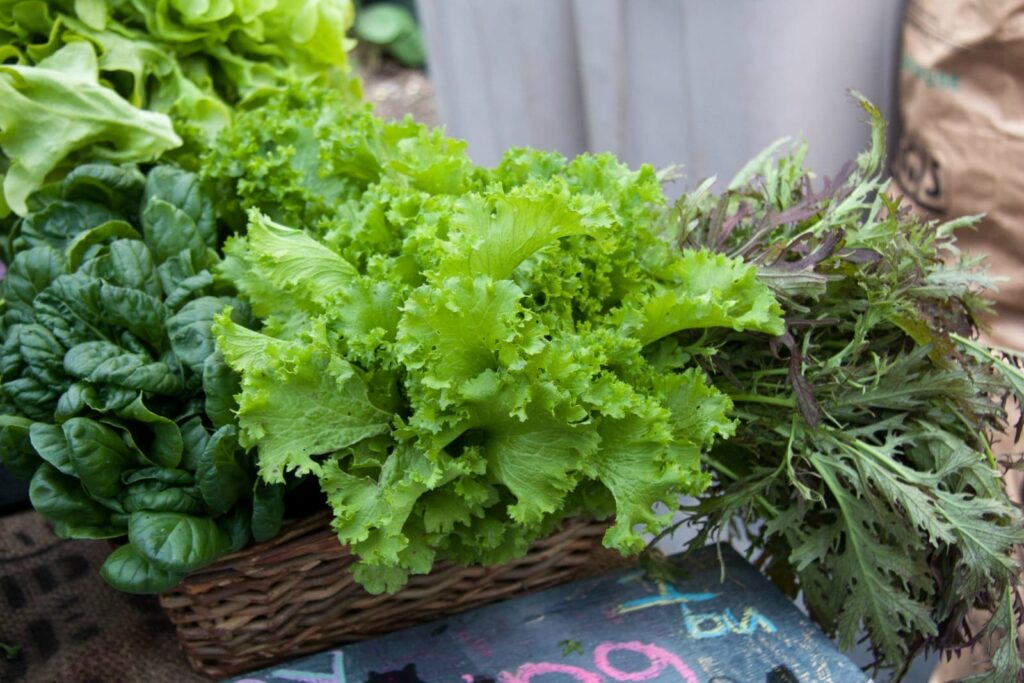
Before we explore the “how,” it’s important to understand the “why.” Growing greens at home isn’t just about saving money — it’s about flavor, health, and sustainability.
A. Freshness Equals Flavor
When you pick greens just minutes before eating, you experience their true crunch, aroma, and sweetness — something store-bought greens can’t match.
B. Nutrient Density
Homegrown greens are full of vitamins A, C, K, and folate. Since you control the soil and timing, they’re richer in nutrients than most pre-packaged versions.
C. Zero Waste, Zero Chemicals
No plastic packaging, no pesticides, no preservatives. Just clean, living greens that are good for you and the planet.
D. Continuous Harvests
Many greens can be “cut and come again.” That means you can harvest leaves weekly while the plants keep growing back for months.
2. Choosing the Right Greens for Wraps, Rolls, and Burritos
Each green brings its own texture, flavor, and visual appeal. The best wraps and rolls often combine a few types for balance — soft and crunchy, mild and peppery, sturdy and delicate.
Here are the top greens to grow for your handheld garden-to-table meals.
A. Lettuce: The Classic Wrap Base
- Varieties: Romaine, Butterhead (Bibb), and Oakleaf
- Best For: Lettuce wraps, soft taco fillings, and salad burritos
- Flavor: Mild, crisp, and refreshing
🪴 Growing Tip:
Lettuce loves cool weather and partial sun. Sow seeds every 2–3 weeks for a steady supply. Water consistently to prevent bitterness, and harvest when leaves are tender.
B. Spinach: The Nutrient Powerhouse
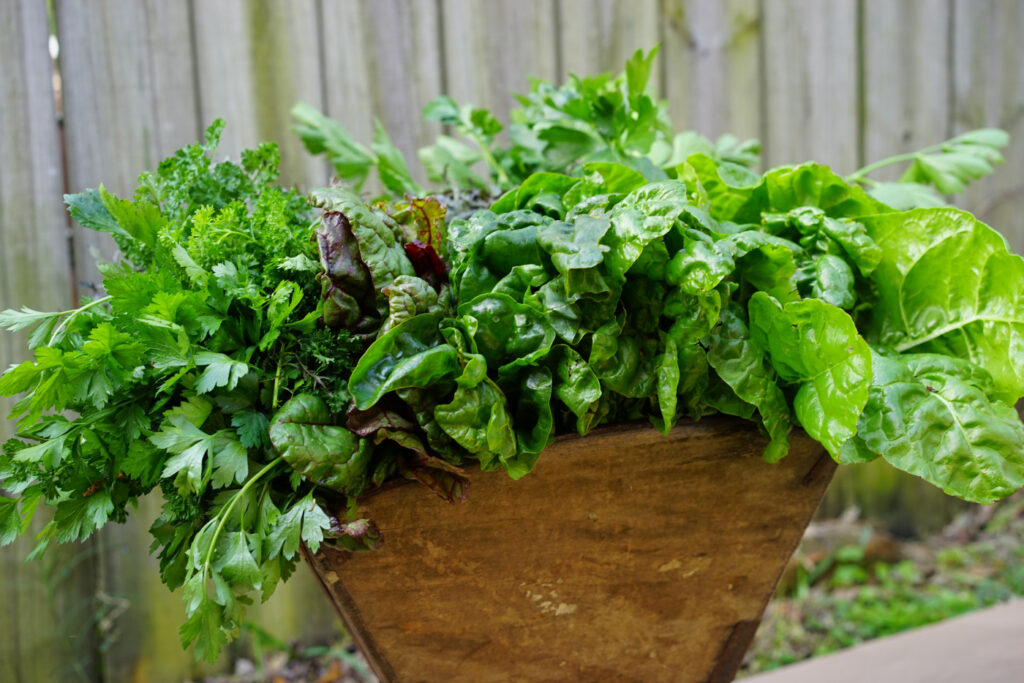
- Best For: Whole-grain burritos, veggie rolls, or as a wilted layer in warm wraps
- Flavor: Mild, slightly earthy, and softens beautifully when cooked
🪴 Growing Tip:
Plant in early spring or autumn. Spinach prefers rich, well-drained soil and moderate sun. Harvest outer leaves regularly to keep the plant producing.
C. Kale: The Sturdy Superstar
- Varieties: Curly Kale, Tuscan (Lacinato), or Red Russian
- Best For: Hearty burritos and wraps that need structure
- Flavor: Earthy and slightly bitter, perfect for balance with creamy fillings like hummus or avocado
🪴 Growing Tip:
Kale thrives in full sun but tolerates partial shade. It can withstand cooler temperatures, making it perfect for extended harvest seasons. Massage leaves with olive oil before use to make them more tender in wraps.
D. Swiss Chard: The Colorful Wrap Alternative
- Best For: Rainbow burritos and vegan rolls — adds color and texture
- Flavor: Mildly earthy with a hint of beet flavor
🪴 Growing Tip:
Chard is a heat-tolerant alternative to spinach. It grows well in both garden beds and containers. Harvest the largest outer leaves for wraps and let new growth continue.
E. Collard Greens: The Natural Wrap Substitute
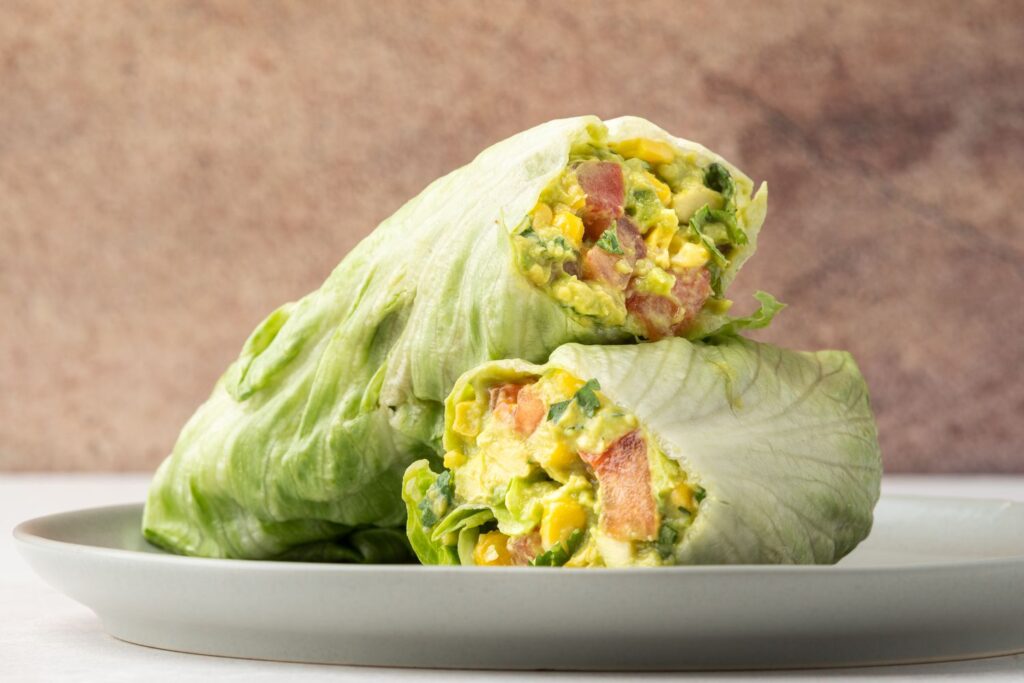
- Best For: Gluten-free or low-carb wraps
- Flavor: Mild and slightly sweet after blanching
🪴 Growing Tip:
Collards love warmth and sunlight. Choose large leaves, blanch them for 30 seconds, and cool in ice water to make them pliable for rolling.
F. Herbs and Accent Greens
Herbs elevate wraps and rolls from simple to sensational.
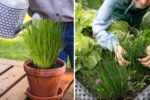
- Cilantro: Bright, citrusy flavor — essential for burritos and Asian rolls.
- Mint: Adds cool freshness, especially for spring rolls.
- Basil: Sweet and fragrant — perfect in tomato-based burritos.
- Arugula: Peppery bite for gourmet wraps.
🪴 Growing Tip:
Herbs love sunshine and well-drained soil. Regular pruning encourages fuller growth and prevents early flowering.
3. Planning Your “Wrap Garden” Layout
A good layout ensures your greens grow harmoniously and continuously. Whether you have a large backyard bed or a small balcony, you can design your garden efficiently.
A. Raised Bed Garden
Ideal for those with yard space.
- Front row: Spinach and herbs (short plants)
- Middle row: Lettuce and Swiss chard
- Back row: Kale and collard greens (taller plants)
Keep at least 12 inches between rows for air circulation and easy harvesting.
B. Container Garden
Perfect for patios or apartments.
- Use 12-inch-deep containers for leafy greens.
- Grow herbs in smaller pots nearby.
- Combine multiple greens in long rectangular planters for variety.
C. Vertical Garden or Hanging Planters
If space is limited, try a vertical system.
- Stack planters for lettuce, herbs, and spinach.
- Use trellises for climbing greens like malabar spinach or vine herbs.
4. Growing and Caring for Your Greens
Once you’ve chosen your plants, success depends on the right care — soil, sunlight, water, and nutrition.
A. Soil Preparation
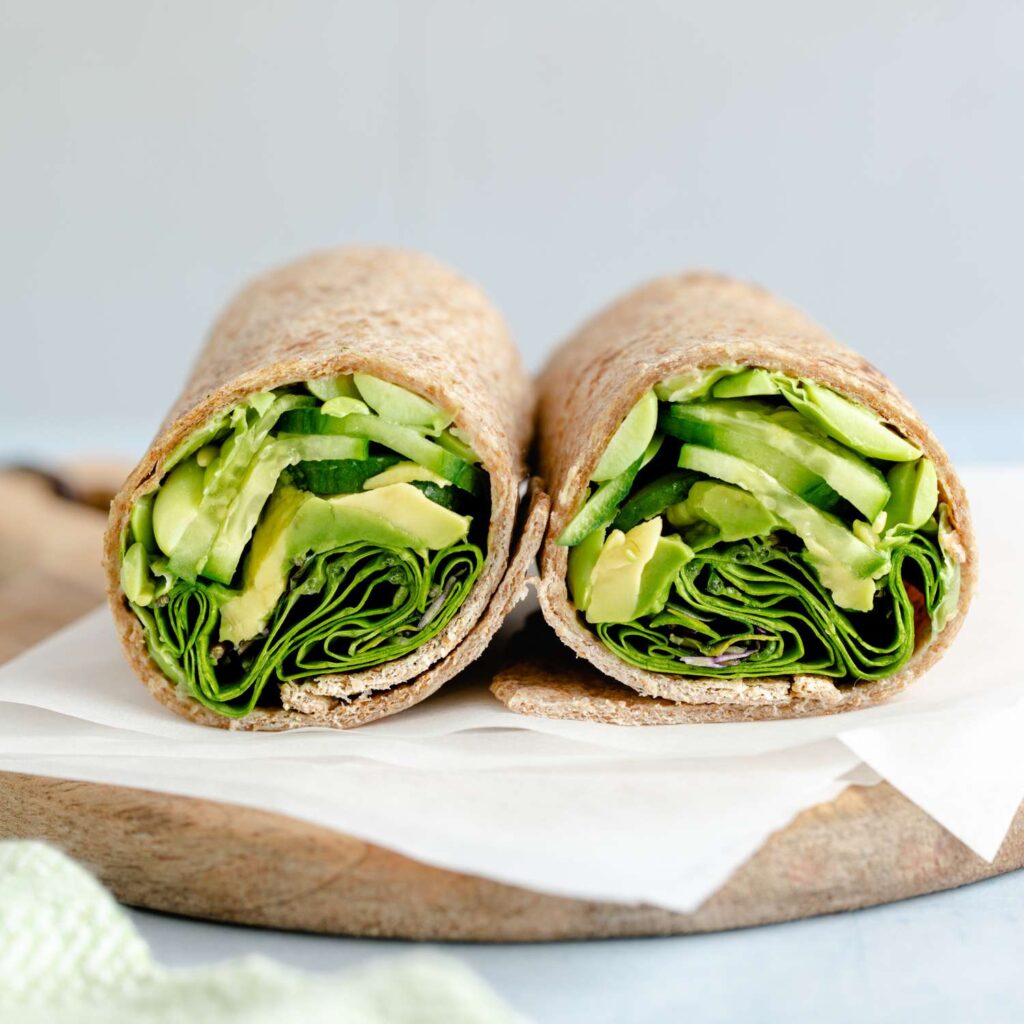
Greens love soft, nutrient-rich soil. Mix equal parts garden soil, compost, and coco peat. The compost boosts fertility, and coco peat ensures good moisture retention.
B. Watering Schedule
Leafy greens prefer consistently moist soil but dislike soggy roots. Water deeply in the morning to prevent wilting.

C. Fertilization
Feed plants with organic compost tea or liquid seaweed fertilizer every two weeks. This promotes vibrant green color and tender leaves.
D. Pest Management
Greens can attract aphids and caterpillars. Protect naturally with:
- Neem oil spray every 10 days.
- Companion plants like marigolds and mint to deter insects.
- Floating row covers to protect from leaf miners.
E. Continuous Harvesting
Pick outer leaves first to encourage new growth. Avoid cutting too close to the crown, as this can stop regrowth.
5. Harvesting and Storing for Maximum Freshness
Timing is everything. Greens are best harvested early in the morning when they’re crisp and hydrated.
- Lettuce & Spinach: Harvest young for tender leaves.
- Kale & Chard: Pick larger leaves but leave the central stalk for continued growth.
- Herbs: Cut sprigs right before using for maximum flavor.
🧺 Storage Tip: Wrap freshly harvested leaves in a damp cloth and store them in the fridge. They’ll stay crisp for up to a week.
6. Turning Your Harvest into Delicious Wraps and Rolls
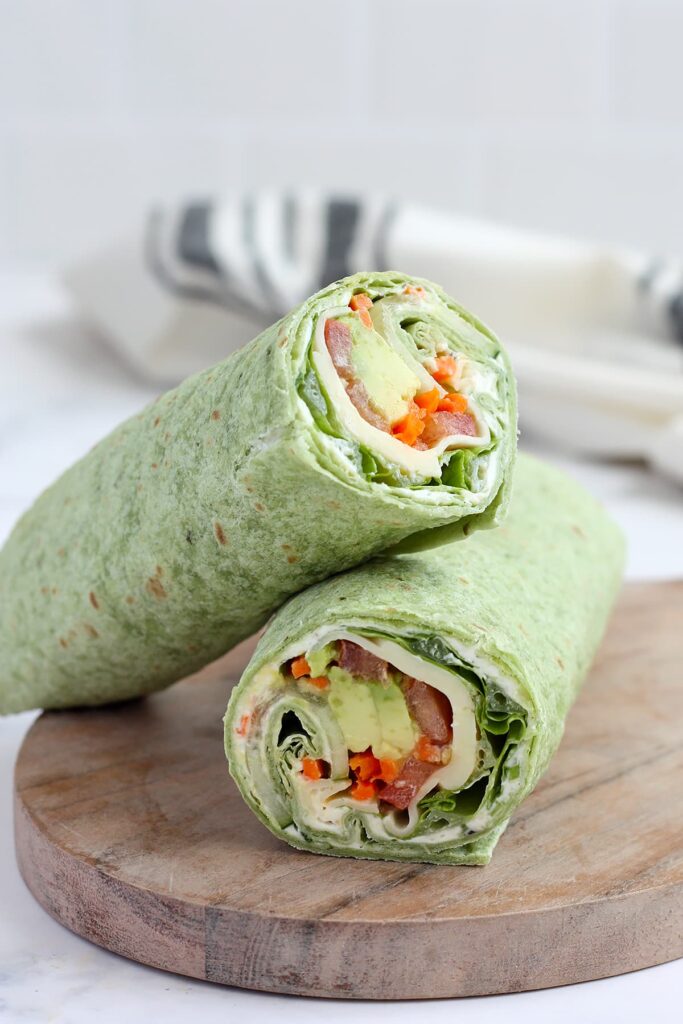
Now comes the most rewarding part — transforming your garden harvest into delicious, colorful meals. Here are a few fresh ideas:
A. Fresh Garden Lettuce Wraps
Ingredients: Lettuce leaves, diced cucumber, grated carrot, chickpeas, avocado, and a drizzle of tahini or peanut sauce.
Flavor Tip: Add fresh mint or cilantro for brightness.
B. Rainbow Swiss Chard Burrito
Ingredients: Swiss chard leaves, brown rice, black beans, grilled peppers, and a spicy tomato salsa.
Prep Tip: Lightly steam the chard leaves to make them flexible for wrapping.

C. Spinach & Tofu Rolls
Ingredients: Steamed spinach, baked tofu, shredded cabbage, and sesame dressing rolled in rice paper.
Flavor Tip: Add fresh basil for an aromatic twist.
D. Collard Green Wraps
Ingredients: Blanched collard leaves, hummus, roasted sweet potatoes, quinoa, and sliced bell peppers.
Flavor Tip: Finish with a squeeze of lime for brightness.
E. Garden Herb Burrito Bowl (Wrap Alternative)
If you run out of wraps, turn your harvest into a deconstructed burrito bowl with layered greens, beans, rice, and herbs.
7. Year-Round Growing Tips
With planning, you can enjoy greens for wraps and rolls throughout the year.
- Spring: Grow spinach, lettuce, cilantro, and mint.
- Summer: Switch to heat-tolerant greens like Swiss chard, kale, and basil.
- Autumn: Replant lettuce and arugula for cooler weather.
- Winter: Grow indoors under LED grow lights or on sunny windowsills.
8. Sustainable Gardening for the Conscious Cook
If your goal is health and sustainability, extend your care to your gardening habits too.
- Compost kitchen scraps — turn veggie peels and stems into rich fertilizer.
- Use rainwater collection barrels for irrigation.
- Save seeds from your best plants to replant next season.
- Avoid plastic mulch and chemical fertilizers. Choose natural options instead.
This way, your garden supports not just your plate but the planet.
9. The Joy of Growing and Eating Your Own Greens
There’s a special connection between you and the food you grow. Each seed you sow becomes part of your meals, adding not just freshness but pride. When you bite into a wrap made with your own kale or enjoy the crunch of homegrown lettuce, you taste the reward of your patience and care.
It’s gardening for nourishment, not just beauty — a practice that feeds both your body and your spirit.
Conclusion: From Garden to Table in Every Bite
“Grow Fresh Greens for Wraps, Rolls, and Burritos” is more than a gardening project — it’s a lifestyle of flavor, freshness, and mindfulness. By cultivating your own leafy greens and herbs, you bring nature directly into your kitchen.
You save money, eat healthier, and create meals that reflect your values — sustainable, vibrant, and full of life.
So grab a packet of seeds, a watering can, and your favorite burrito fillings — and start growing your way to the freshest, most delicious wraps and rolls you’ve ever tasted. 🌿🌯