There’s something profoundly satisfying about preparing a meal made entirely from ingredients you’ve grown yourself. The crunch of fresh lettuce, the aroma of just-picked basil, and the sweetness of a ripe tomato — these are joys that no store-bought produce can quite match. For vegetarians, this connection to nature and nutrition is even more meaningful.
A home garden isn’t just a patch of green; it’s a living kitchen that supplies freshness, flavor, and nourishment every day. Whether you have a spacious backyard or a few pots on a balcony, growing your own ingredients allows you to craft healthy, wholesome vegetarian dishes right at home.
This article explores how to grow the key ingredients for nutrient-rich vegetarian meals, and how to transform your harvest into delicious, health-boosting dishes. From garden-to-table salads to comforting soups and protein-packed bowls, you’ll discover that a thriving kitchen garden can also be your personal health plan.
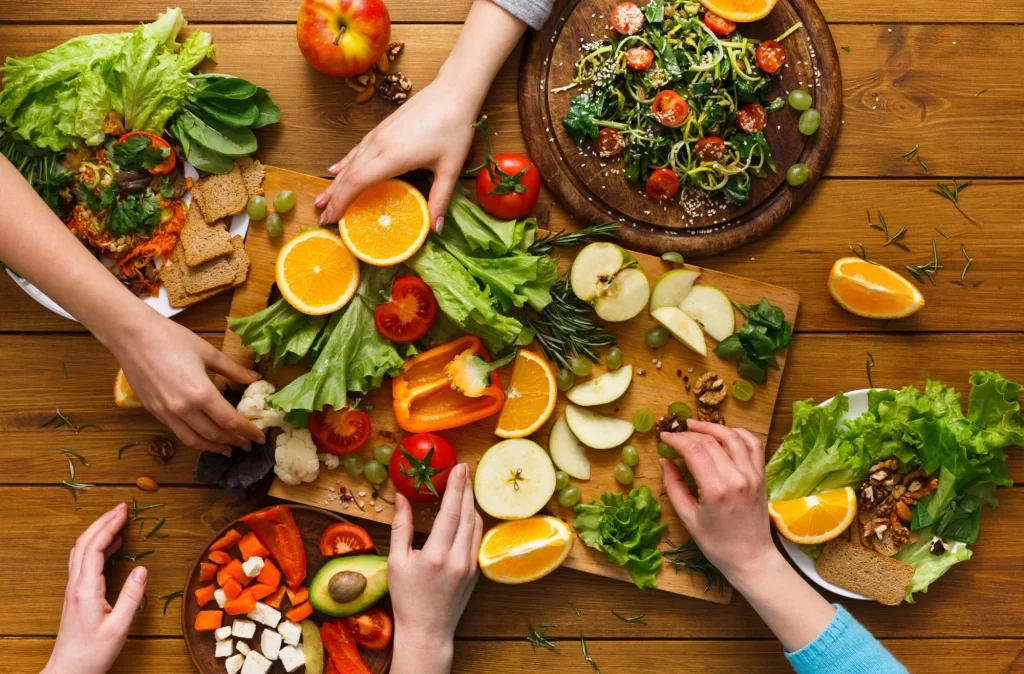
Why Grow Your Own Vegetarian Ingredients?
Before diving into recipes, let’s understand why homegrown produce is such a game-changer for vegetarian cooking:
- Maximum Nutrition: Vegetables begin to lose vitamins soon after harvest. Growing your own means you’re eating produce at its nutritional peak.
- Chemical-Free Eating: You control what goes into your soil — no synthetic fertilizers or pesticides.
- Better Flavor: Freshly picked herbs and vegetables are more aromatic and flavorful than those that have traveled miles to reach the store.
- Mental Wellness: Gardening reduces stress, improves focus, and boosts happiness — benefits that extend to your overall well-being.
- Eco-Friendly Living: Growing at home reduces waste, packaging, and transportation emissions, helping you live more sustainably.
In essence, every seed you plant nurtures not only your plate but your peace of mind.
1. Salad Greens for Everyday Energy
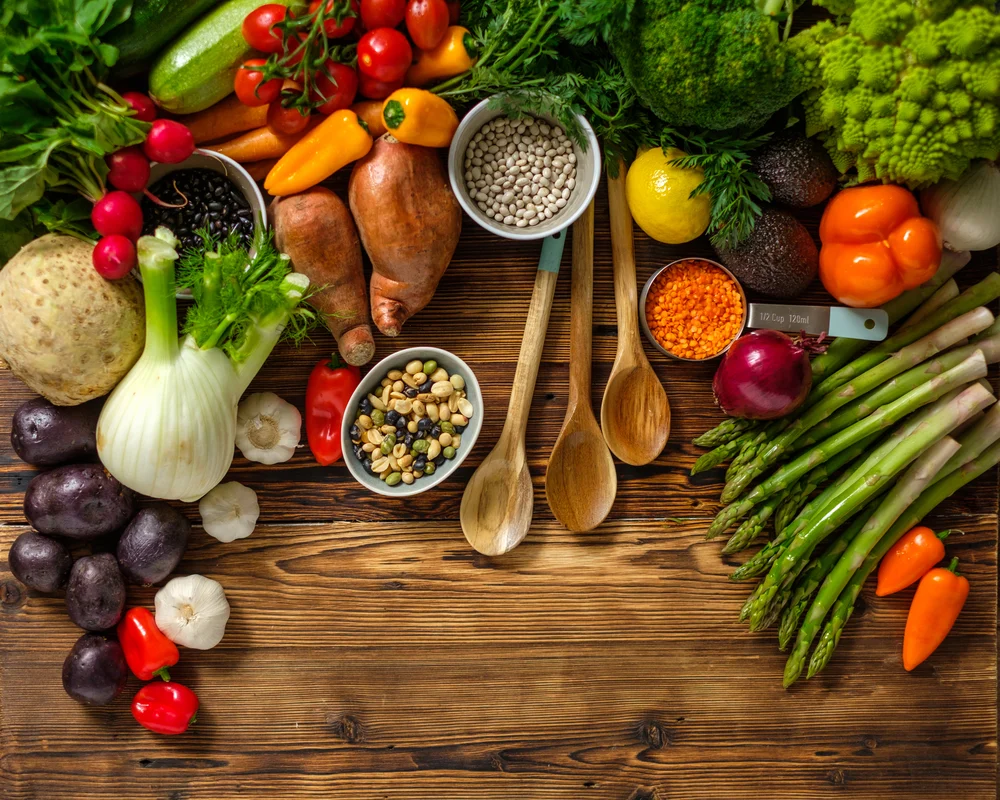
What to Grow: Lettuce, spinach, arugula, kale, and microgreens.
How to Grow:
- These leafy greens thrive in cool temperatures and partial sunlight.
- Sow seeds in shallow containers or garden beds with loose, well-drained soil.
- Keep the soil moist and harvest leaves when tender for the best taste.
Dish Idea: Garden Fresh Power Salad
Combine freshly picked spinach, kale, and arugula with cherry tomatoes, grated carrots, and roasted chickpeas. Add a dressing made of olive oil, lemon juice, and a pinch of salt.
Health Benefits:
Packed with vitamins A, C, and K, calcium, and fiber, leafy greens support digestion, bone health, and detoxification. Regularly eating them boosts immunity and improves skin glow naturally.
2. Tomatoes: The Heart of Veggie Cuisine

What to Grow: Cherry tomatoes, Roma tomatoes, or heirloom varieties.
How to Grow:
- Tomatoes need at least six hours of sunlight daily.
- Plant in rich, compost-mixed soil and provide support with stakes or cages.
- Water regularly but avoid wetting the leaves to prevent fungal diseases.
Dish Idea: Fresh Tomato Basil Pasta
Cook whole-wheat or lentil pasta and toss it with sautéed homegrown tomatoes, garlic, and fresh basil. Finish with a drizzle of olive oil.
Health Benefits:
Tomatoes are rich in lycopene, a powerful antioxidant linked to heart health and anti-aging benefits. They also contain vitamin C and potassium, supporting immunity and blood pressure regulation.
3. Herbs That Heal and Flavor
What to Grow: Basil, coriander (cilantro), mint, parsley, oregano, and thyme.
How to Grow:
- Most herbs grow well in small pots on sunny windowsills or balconies.
- Use well-draining soil and trim leaves regularly to encourage bushy growth.
- Water moderately — herbs dislike soggy roots.
Dish Idea: Herbal Detox Smoothie
Blend spinach, mint, coriander, cucumber, and lemon juice for a refreshing, vitamin-rich drink.
Health Benefits:
Herbs are tiny but mighty. Mint aids digestion and relieves bloating, basil contains anti-inflammatory oils, and coriander helps detoxify the liver. Adding herbs to your meals enhances both flavor and health without extra calories.
4. Root Vegetables for Heart and Immunity
What to Grow: Carrots, beets, radishes, and turnips.
How to Grow:
- Root veggies thrive in loose, well-aerated soil.
- Ensure the soil is free of stones for straight, even roots.
- They prefer full sun and regular watering during germination.
Dish Idea: Roasted Root Veggie Bowl
Roast cubed beets, carrots, and radishes with olive oil, garlic, and rosemary. Serve over quinoa or brown rice, topped with tahini sauce.
Health Benefits:
Root vegetables are high in antioxidants, fiber, and natural sugars, providing sustained energy and supporting blood circulation. Beets improve stamina and heart health, while carrots enhance vision and immunity.
5. Beans and Peas: Homegrown Protein
What to Grow: Green beans, snow peas, or chickpeas (for warmer climates).
How to Grow:
- Beans and peas prefer sunny spots and climb well on trellises or fences.
- Use organic compost and water evenly to prevent drying out.
- Harvest pods when firm but tender for best taste.
Dish Idea: Green Bean Stir-Fry with Sesame and Garlic
Sauté freshly picked beans with garlic, sesame seeds, and a splash of soy sauce. Serve as a side or over noodles.
Health Benefits:
These legumes are rich in plant-based protein, iron, and fiber, making them ideal for vegetarians. They stabilize blood sugar, promote muscle repair, and improve gut health.
6. Cucumbers and Zucchini: Hydration Heroes
What to Grow: Cucumbers and zucchini (courgette).
How to Grow:

- These thrive in warm, sunny conditions and grow quickly.
- Use large pots or garden beds with ample space for vine spreading.
- Keep soil consistently moist and mulch around plants to retain hydration.
Dish Idea: Zucchini Noodles with Cucumber Yogurt Sauce
Spiralize zucchini into “zoodles,” then top with a creamy sauce made from blended cucumber, mint, and yogurt.
Health Benefits:
Both vegetables are over 90% water, making them excellent for hydration and detoxification. They’re also low in calories and support weight management while delivering essential nutrients like magnesium and vitamin K.
7. Bell Peppers: The Colorful Superfood
What to Grow: Green, red, yellow, and orange bell peppers.
How to Grow:
- Peppers need warm weather and plenty of sunlight.
- Start seeds indoors and transplant when seedlings are strong.
- Keep soil moist and well-drained; harvest when firm and brightly colored.
Dish Idea: Stuffed Bell Peppers with Quinoa and Veggies
Fill halved peppers with cooked quinoa, corn, onions, and tomatoes. Bake until tender and top with grated cheese or tofu crumble.
Health Benefits:
Bell peppers are vitamin C powerhouses — one pepper can contain more vitamin C than an orange. They also supply antioxidants that support eye health and reduce inflammation.
8. Leafy Greens Beyond Salad

What to Grow: Amaranth (red spinach), fenugreek (methi), and mustard greens.
How to Grow:
- These greens grow quickly from seed and require minimal care.
- Water lightly every morning and trim leaves regularly to encourage regrowth.
- Suitable for both containers and garden beds.
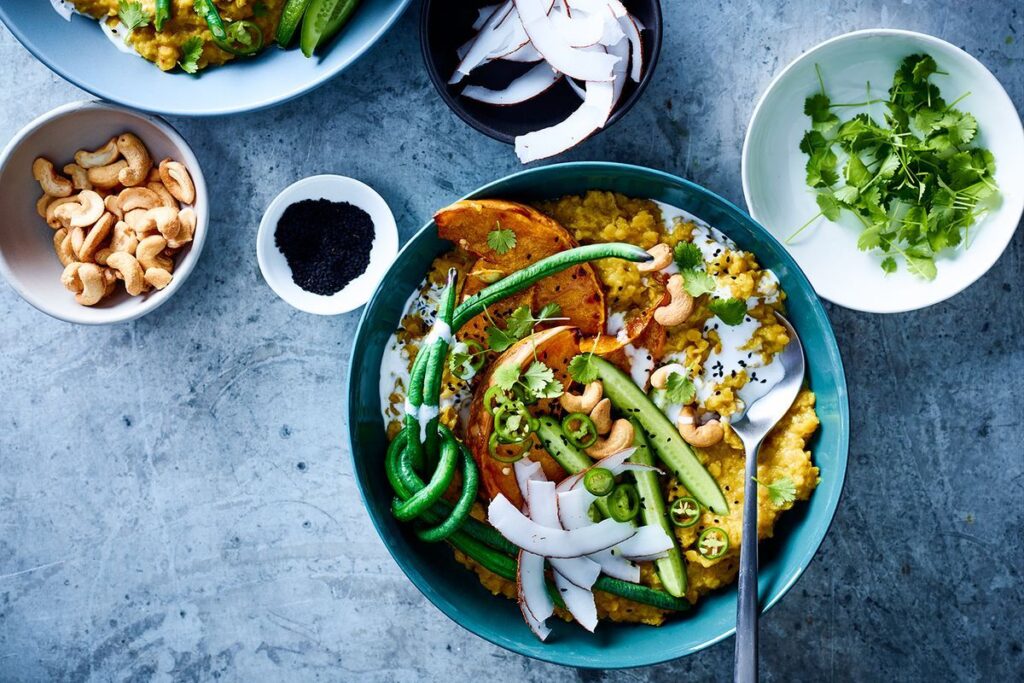
Dish Idea: Amaranth and Lentil Curry (Dal Saag)
Cook red lentils with chopped amaranth leaves, garlic, and turmeric. Serve with steamed rice or whole-grain flatbread.

Health Benefits:
Rich in iron, calcium, and plant-based protein, these greens strengthen bones and improve blood health. Their natural bitterness helps detoxify the liver and aids digestion.
9. Chillies and Ginger: Spice Up Your Health
What to Grow: Green chilies, ginger, and turmeric.
How to Grow:
- Chilies grow best in warm weather with plenty of sunlight.
- Ginger and turmeric prefer moist, shaded spots.
- Use rich, loamy soil with good drainage.
Dish Idea: Spicy Ginger Veggie Soup
Simmer chopped ginger, chilies, carrots, and spinach in vegetable broth. Add a splash of lemon juice for a refreshing, immunity-boosting soup.
Health Benefits:
Ginger aids digestion and boosts circulation, while chilies improve metabolism and contain capsaicin — a compound that promotes fat burning and pain relief.
10. A Day of Healthy Vegetarian Meals — From Your Garden
Here’s how your homegrown produce can fill an entire day’s menu:
Breakfast: Spinach and herb smoothie with banana and lemon.
Lunch: Tomato basil pasta with fresh garden salad.
Snack: Roasted beet chips with mint yogurt dip.
Dinner: Lentil curry with amaranth leaves and stuffed bell peppers.
Every dish is packed with nutrients and made more meaningful by the knowledge that it came from your own care and soil.
Conclusion: Homegrown Health in Every Bite
Adopting a vegetarian lifestyle is one of the most powerful steps toward health and sustainability — but growing your own ingredients takes it to another level. It’s a lifestyle of self-reliance, creativity, and nourishment.
Your garden becomes your pharmacy, your grocery store, and your wellness retreat all at once. Each seed sown teaches patience and mindfulness; every harvest rewards you with flavor, freshness, and vitality.
You don’t need acres of land or fancy tools — just a few pots, some sunlight, and the will to begin. Start small, experiment with easy vegetables and herbs, and soon your meals will reflect not just what you eat, but how you live.
Because when you grow your own vegetarian ingredients, you’re not just cultivating food — you’re cultivating health, harmony, and happiness. 🌱