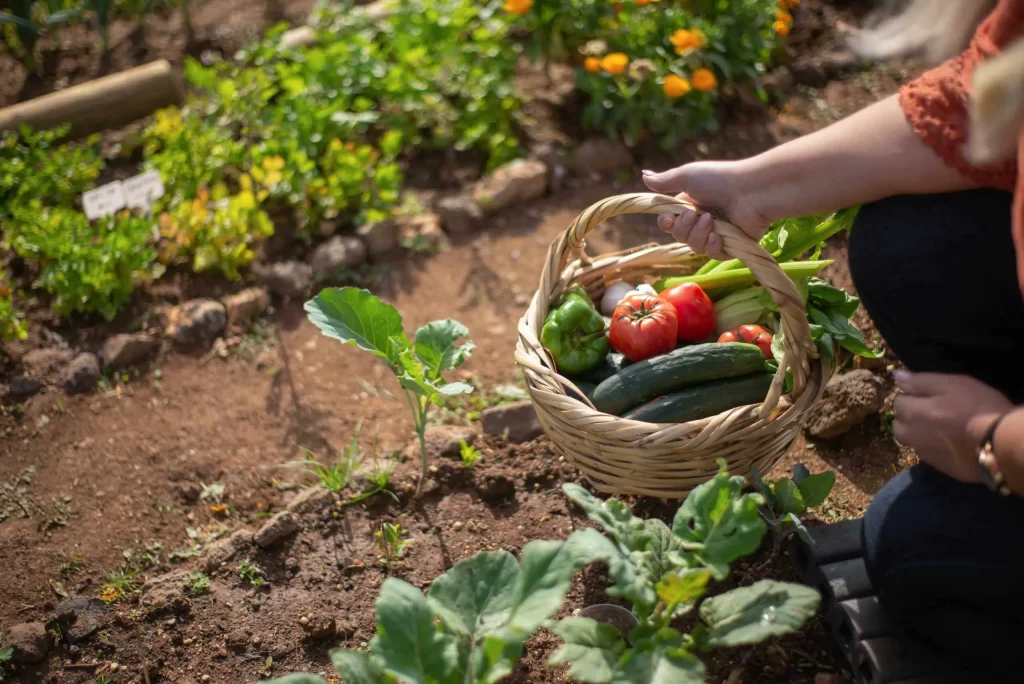
In an age of rising grocery bills and shrinking food quality, one timeless solution is making a comeback — the DIY vegetable garden. Imagine skipping the supermarket’s overpriced produce aisle and stepping outside your door to pick fresh, chemical-free vegetables for dinner. A home garden not only saves money but also delivers better nutrition, superior taste, and the satisfaction of eating food you grew yourself.
Starting your own vegetable garden may seem intimidating at first, but it’s surprisingly simple, rewarding, and sustainable. Whether you have a backyard, a balcony, or even a few sunny windowsills, you can grow your own supply of fresh greens and vegetables. This article explores how growing your own veggies helps you cut costs, eat healthier, and live more sustainably, while also offering practical steps to start your own thriving garden.
The Cost of Store-Bought Produce
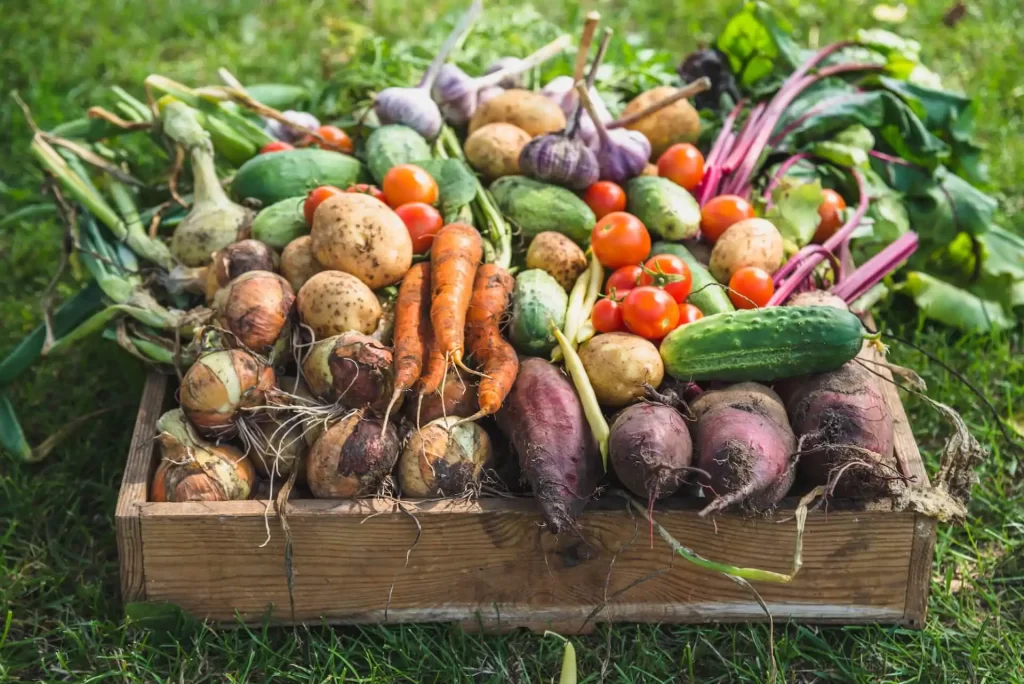
Walk through any grocery store, and you’ll notice how prices for basic vegetables fluctuate dramatically. Tomatoes, spinach, or peppers can double in cost during off-seasons. Beyond price, store-bought vegetables often lose much of their freshness and nutrients by the time they reach your kitchen.
According to studies, produce travels an average of 1,500 miles from farm to table. Along the way, it undergoes handling, packaging, and refrigeration — processes that increase cost and reduce quality. Not to mention, organic produce often comes at an even steeper price.
A DIY veggie garden offers an affordable, long-term solution. The initial setup — soil, pots, and seeds — costs far less than a few months’ worth of groceries. Once established, your garden keeps producing for years, essentially paying for itself many times over.
How a Home Garden Saves You Money
1. Seeds Are Cheaper Than Produce
A packet of seeds usually costs less than a single serving of the same vegetable. For example, a $2 packet of tomato seeds can yield several kilograms of tomatoes throughout the season. Similarly, leafy greens like spinach or lettuce grow quickly and can be harvested multiple times from a single planting.
2. Regrow from Kitchen Scraps
Many vegetables — such as spring onions, celery, lettuce, and even potatoes — can regrow from scraps. This reduces waste and eliminates the need to buy new plants each season.
3. Seasonal Self-Sufficiency
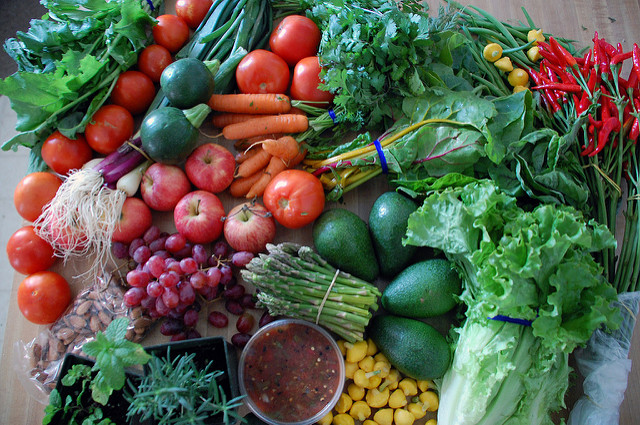
By learning which vegetables thrive in different seasons, you can grow year-round. For instance, spinach, radish, and carrots flourish in cooler months, while tomatoes, peppers, and cucumbers thrive in summer. A little planning ensures a steady supply of fresh produce, no matter the season.
4. Composting Saves Fertilizer Costs
Instead of buying expensive fertilizers, you can make nutrient-rich compost from kitchen waste — peels, coffee grounds, and vegetable scraps. Compost not only saves money but also improves soil health naturally.
5. Reduced Transportation and Packaging Costs
Every store-bought vegetable carries hidden costs — transportation, refrigeration, and packaging. Growing at home cuts out the middlemen, saving not just money but also the planet from unnecessary carbon emissions and plastic waste.
Healthier Eating, One Harvest at a Time
Saving money is just one part of the reward. The real benefit of a DIY veggie garden lies in better nutrition and improved well-being.
1. Fresher Means More Nutrients
Most vegetables start losing vitamins and minerals soon after harvesting. Homegrown produce is consumed immediately after picking, retaining maximum nutrients and flavor.
2. No Harmful Chemicals
Commercial farms often rely on synthetic fertilizers and pesticides. Growing your own gives you control — you can use organic compost, neem oil, or natural pest repellents, ensuring your food is truly chemical-free.
3. Encourages a Balanced Diet
When fresh vegetables are within arm’s reach, you’re more likely to eat them. A garden filled with leafy greens, tomatoes, beans, and herbs naturally inspires healthy, plant-based cooking.
4. Boosts Mental Health
Gardening itself is therapeutic. The act of nurturing plants reduces stress, increases mindfulness, and even boosts serotonin levels. Studies have shown that people who garden regularly are happier and more physically active.
Starting Your DIY Veggie Garden
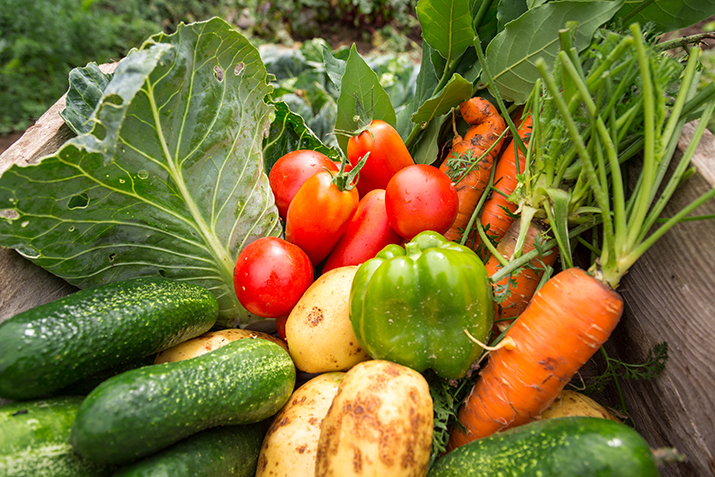
You don’t need acres of land to grow your food. A few pots and some enthusiasm can transform any space into a mini-farm. Here’s how to get started:
1. Choose the Right Spot
Find a place with at least 5–6 hours of sunlight daily. Balconies, terraces, patios, or window sills facing east or south are ideal.
2. Select Easy-to-Grow Vegetables
Start small and simple. The following vegetables are beginner-friendly and yield great results:
- Leafy Greens: Spinach, lettuce, kale, and fenugreek
- Fruiting Plants: Tomatoes, bell peppers, chili, and eggplant
- Root Veggies: Carrots, radishes, and beets
- Herbs: Basil, coriander, mint, and parsley
3. Prepare the Soil
Use a mix of garden soil, compost, and coco peat in equal parts. The soil should be loose, well-draining, and nutrient-rich. Compost improves fertility and structure naturally.
4. Planting and Watering
Follow the instructions on seed packets for depth and spacing. Water your plants early in the morning or late evening to prevent evaporation. Keep the soil moist, but not soggy.
5. Natural Pest Control
Avoid chemicals. Use neem oil sprays, garlic-water mixtures, or companion planting (e.g., basil next to tomatoes) to deter pests naturally.
6. Regular Harvesting
Harvesting encourages new growth. For leafy greens, pick outer leaves and let the center grow again. For fruiting plants, collect ripe produce regularly to prevent rotting and attract continuous blooms.
From Garden to Plate: Cooking Fresh and Frugal
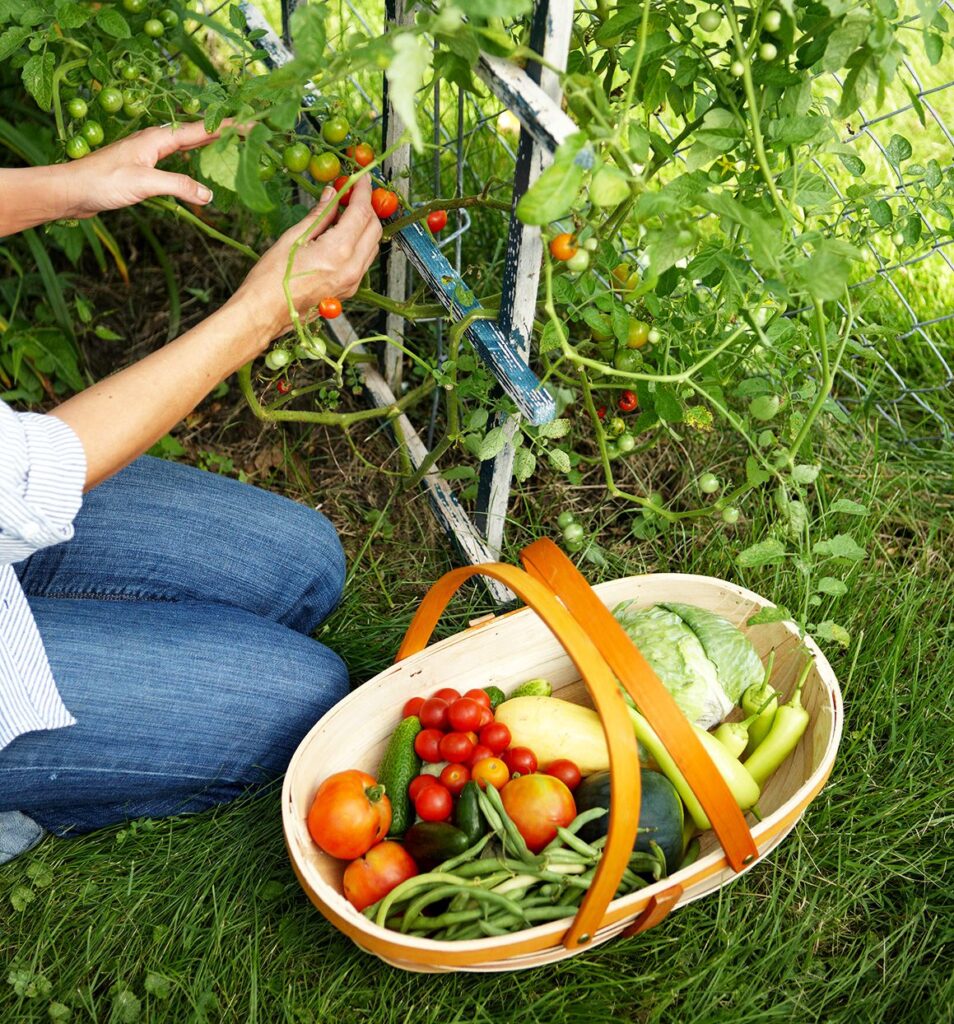
Once your garden starts producing, your kitchen transforms into a creative, healthy space. Here are some easy, budget-friendly dishes you can make from your harvest:
1. Spinach & Tomato Stir-Fry
Sauté freshly picked spinach and tomatoes with garlic, olive oil, and a sprinkle of salt. A quick, nutrient-rich side dish that costs almost nothing.
2. Garden Vegetable Soup
Combine chopped carrots, beans, and herbs with a vegetable broth for a hearty meal. Each bowl is filled with vitamins and fiber — perfect for busy weeknights.
3. Veggie Wraps with Mint Yogurt Dip
Use homegrown lettuce, grated beets, and cucumbers in whole wheat wraps. Add a refreshing mint yogurt dip for flavor and nutrition.
4. Stir-Fried Okra or Peppers
A touch of olive oil, onions, and spices turn your garden okra or peppers into a quick, inexpensive lunch option.
5. Fresh Herb Salad
Toss together freshly picked lettuce, coriander, and basil with lemon juice for a light, refreshing salad.
These meals not only reduce food costs but also help eliminate preservatives and hidden sugars found in processed foods.
Sustainability: A Greener Way to Save
Your DIY veggie garden doesn’t just benefit your wallet and health — it also contributes to a healthier planet.
- Reduces Carbon Footprint: Growing at home means fewer food miles and less pollution.
- Eliminates Plastic Waste: No packaging or storage bags needed.
- Encourages Biodiversity: Your garden can attract pollinators like bees and butterflies, improving the local ecosystem.
- Promotes Circular Living: Composting food scraps and reusing rainwater complete the sustainability loop.
In short, every tomato or basil leaf you grow at home helps make the planet greener and more self-sustaining.
Real-Life Savings Example
Let’s compare. A family that spends ₹1,000–₹1,200 a month (or around $12–15) on vegetables could easily cut that in half with a small garden. Over a year, that’s savings of nearly ₹6,000–₹8,000 — not counting the health and environmental benefits.
Moreover, once you master seed saving and composting, your garden’s maintenance cost becomes minimal — only soil care and occasional tools. Many gardeners even turn this hobby into small side incomes by selling surplus produce or herbs to neighbors.
Emotional Rewards: More Than Just Food
The value of a DIY garden goes far beyond money and nutrition. It fosters patience, creativity, and mindfulness. Watching a seed sprout, caring for it daily, and finally enjoying its fruits builds a deep connection to nature.
Families who garden together often find it strengthens bonds. Children learn where food comes from and develop healthy eating habits early on. Gardening also encourages outdoor time, physical movement, and a sense of accomplishment — all contributing to a happier lifestyle.
Conclusion: Plant Today, Prosper Tomorrow
A DIY veggie garden is one of the smartest, most rewarding investments you can make — for your wallet, your health, and the planet. It requires a little effort upfront, but the returns are abundant and lasting.
When you grow your own food, every meal becomes a statement of self-reliance and sustainability. You save money without compromising quality, enjoy fresher and healthier produce, and reduce your carbon footprint — all while rediscovering the joy of nurturing life from soil to plate.
So, grab a few pots, plant your favorite seeds, and start today. Your garden doesn’t have to be perfect; it just has to be yours. Before long, you’ll find that the real luxury isn’t store-bought organic vegetables — it’s the crisp lettuce, juicy tomatoes, and fragrant herbs growing just outside your window.