As the world faces growing concerns about climate change, food waste, and environmental degradation, the way we grow and consume food has never mattered more. Modern agriculture feeds billions, but it also contributes heavily to carbon emissions, soil depletion, and water pollution. In contrast, sustainable gardening — the practice of growing food in harmony with nature — offers a simple yet powerful solution.
By cultivating vegetables sustainably, we not only nurture our health but also protect the planet. Every seed sown, every compost pile built, and every meal made from homegrown produce contributes to a cleaner, greener future.
This article explores the principles of sustainable gardening, practical steps to grow your own eco-friendly vegetable garden, and how this mindful approach leads to healthier, more environmentally responsible meals.
The Meaning of Sustainable Gardening
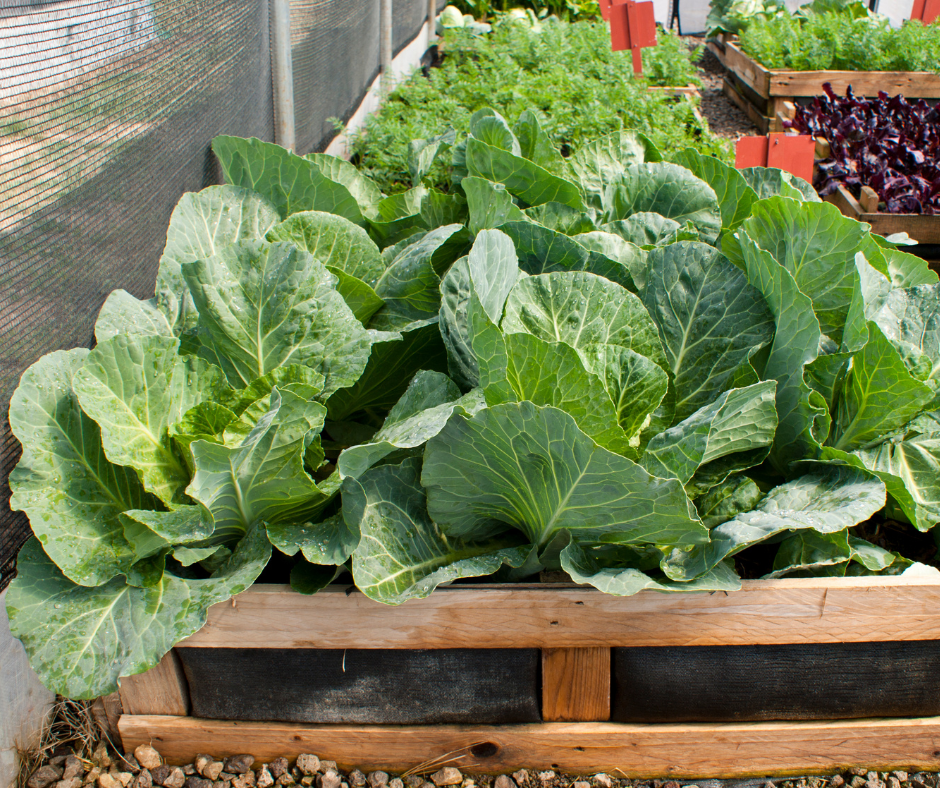
Sustainable gardening is more than just planting vegetables — it’s about creating a self-sufficient system that supports life without harming natural resources. It mimics nature’s own cycles, where waste becomes nourishment and biodiversity thrives.
Unlike industrial farming, which relies heavily on chemicals and machinery, sustainable gardening emphasizes:
- Organic practices that maintain soil and plant health naturally.
- Efficient use of resources like water and compost.
- Biodiversity that balances pests and supports pollinators.
- Minimal waste, turning every leftover into new life.
In short, sustainable gardening ensures that your food habits contribute positively to both your body and the earth.
The Connection Between Gardening and Eco-Friendly Eating

When you grow your own vegetables sustainably, you take control of the entire food cycle — from soil to plate. Each step reduces your environmental footprint:
- No long-distance transportation: Supermarket produce travels hundreds or even thousands of miles. Homegrown vegetables cut out this carbon-intensive journey.
- No plastic packaging: Garden produce eliminates single-use plastics that typically wrap store-bought veggies.
- No harmful chemicals: Avoiding pesticides keeps your food and local ecosystem toxin-free.
- No food waste: You harvest only what you need, and leftovers can be composted.
Moreover, meals made from your garden are fresher, more nutritious, and deeply satisfying — proof that living sustainably doesn’t mean sacrificing flavor or convenience.
The Core Principles of Sustainable Gardening

Creating an eco-friendly vegetable garden begins with understanding the basic principles that make it truly sustainable.
1. Healthy Soil, Healthy Plants
Soil is the foundation of all life in a garden. Instead of using synthetic fertilizers, build soil fertility naturally by adding:
- Compost: Recycle kitchen scraps and yard waste into nutrient-rich organic matter.
- Mulch: Cover soil with dried leaves, straw, or grass clippings to retain moisture and prevent weeds.
- Crop rotation: Change where you plant crops each season to prevent soil nutrient depletion.
A living soil teeming with worms, fungi, and microbes supports stronger, more resilient plants.
2. Save Water Wisely
Water is a precious resource, and sustainable gardening focuses on efficient use.
- Install drip irrigation or soaker hoses to deliver water directly to roots.
- Collect rainwater in barrels for garden use.
- Water early in the morning or late evening to reduce evaporation.
- Grow drought-resistant crops like okra, amaranth, or sweet potatoes during dry seasons.
Every drop saved helps conserve one of Earth’s most critical natural resources.
3. Composting: Turning Waste into Gold
Instead of sending food scraps to landfills, compost them. Composting breaks down organic waste into rich soil fertilizer that improves plant growth.
Ideal compost materials include:
- Greens: Vegetable peels, fruit scraps, coffee grounds.
- Browns: Dry leaves, twigs, cardboard pieces.
- Water and Air: Keep your compost moist and well-aerated for proper decomposition.
Composting closes the nutrient loop — feeding your plants while reducing household waste.
4. Go Organic: No Chemicals, No Harm
Chemical fertilizers and pesticides may offer quick results, but they damage long-term soil health and kill beneficial organisms. Natural alternatives include:
- Neem oil and garlic spray for pest control.
- Cow dung, vermicompost, or seaweed extract as natural fertilizers.
- Companion planting, such as basil near tomatoes or marigolds near beans, to repel pests naturally.
Organic gardening supports a balanced ecosystem where plants, insects, and soil life coexist peacefully.
5. Biodiversity Is the Secret to Balance

Monoculture (growing one crop type) depletes soil and invites pests. Sustainable gardens thrive on diversity — mixing various plants, herbs, and flowers to mimic nature’s complexity.
- Grow different crops in rotation to maintain soil nutrients.
- Plant flowers like sunflowers or zinnias to attract pollinators.
- Encourage beneficial insects such as ladybugs and bees.
A biodiverse garden is more productive, resilient, and visually beautiful.
6. Reduce, Reuse, Recycle in the Garden

Think creatively about using what you already have:
- Repurpose old containers, bottles, or cans as planters.
- Use broken tiles or stones for garden paths.
- Collect seeds from your harvest to replant next season.
Sustainability thrives on resourcefulness — small eco-friendly actions add up to big impacts.

Setting Up Your Sustainable Veggie Garden
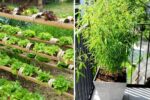
Creating your own eco-friendly garden doesn’t require a large plot. Even small spaces — balconies, terraces, or windowsills — can produce plenty of fresh food if planned wisely.
Step 1: Choose Your Space
Look for a sunny area with 5–6 hours of daily sunlight. Use vertical planters or hanging pots if space is limited.
Step 2: Select Eco-Friendly Crops
Grow vegetables that suit your local climate and require minimal resources. Great sustainable choices include:
- Leafy greens: Spinach, kale, lettuce, and fenugreek
- Root crops: Carrots, radishes, and beets
- Fruiting plants: Tomatoes, peppers, and cucumbers
- Herbs: Mint, basil, coriander, and parsley
These vegetables are not only nutritious but also grow quickly, reducing the need for excessive inputs.
Step 3: Enrich Your Soil Naturally
Mix soil with compost or vermicompost to create a fertile base. Add mulch to conserve moisture and suppress weeds.
Step 4: Water Smartly
Use rainwater or greywater (recycled household water) for irrigation. Drip systems or clay pot irrigation (ollas) ensure minimal water waste.
Step 5: Practice Seasonal Gardening
Grow what’s in season. It saves energy and ensures your plants thrive naturally without the need for artificial intervention.
Cooking Eco-Friendly Veggie Meals
Once your sustainable garden begins to produce, it’s time to bring those eco-friendly vegetables into your kitchen. Freshly picked produce offers superior taste and nutrition. Here are a few simple ways to make the most of your harvest:
1. Zero-Waste Cooking
Use every part of the plant — stems, leaves, and peels can all be transformed into creative dishes. For example:
- Beet greens sautéed with garlic and olive oil.
- Carrot tops blended into pesto.
- Broccoli stems grated into soups or salads.
2. Seasonal Eating
Plan your meals around what’s growing in your garden. Eating in season reduces dependence on imported produce and ensures maximum freshness.
3. Plant-Based Power
Turn your garden harvest into hearty plant-based meals such as:
- Vegetable stir-fries with basil and bell peppers.
- Lentil soups with spinach and carrots.
- Garden salads featuring tomatoes, cucumbers, and herbs.
- Stuffed peppers with rice, beans, and zucchini.
Every meal becomes a celebration of sustainability — nutritious for you, gentle on the earth.
The Environmental Impact: Small Steps, Big Results
Your sustainable garden may seem small, but its positive impact is significant.
- Reduces carbon footprint: No transport, storage, or packaging emissions.
- Protects pollinators: Organic methods keep bees and butterflies safe.
- Improves local ecosystems: Composting and soil care support biodiversity.
- Cuts food waste: Home gardeners use what they grow efficiently.
- Saves water: Smart irrigation and mulching preserve natural resources.
If millions of households practice sustainable gardening, it can collectively lead to a massive reduction in environmental stress and promote food security at a community level.
Emotional and Social Benefits
Beyond environmental gains, sustainable gardening enriches your life on a personal level.
- Mindfulness: Gardening grounds you in the present moment.
- Creativity: Designing your garden and experimenting with crops keeps you engaged.
- Community: Sharing seeds, produce, or gardening tips fosters neighborly connections.
- Purpose: Growing your food provides a deep sense of contribution to the planet.
What starts as an eco-friendly habit often grows into a fulfilling lifestyle centered on care, gratitude, and connection.
Conclusion: Cultivating a Greener Future
Sustainable gardening is more than a trend — it’s a movement toward a more conscious, compassionate way of living. It teaches us that every small action, from composting kitchen waste to harvesting your own salad greens, creates ripples of positive change.
By growing your vegetables sustainably, you become both a gardener and an environmental steward. You save money, eat healthier, and protect the planet — one seed at a time.
Every meal made from your garden becomes a story of balance: between human needs and nature’s gifts, between nourishment and sustainability. In a world facing environmental challenges, sustainable gardening reminds us that real change begins not in governments or corporations, but in our own backyards.
So pick up your trowel, plant your seeds, and start today. The future of eco-friendly eating starts in your garden — where every green leaf you grow is a promise to the Earth. 🌿