A thriving vegetable garden is more than just a backyard project—it’s a lifestyle that nourishes your body, mind, and the planet. For those who love vegetarian recipes, a productive garden means endless possibilities for fresh, flavorful meals straight from the soil. Whether you’re whipping up a crisp salad, a hearty lentil stew, or a colorful veggie stir-fry, having a constant supply of homegrown produce makes cooking healthier and more enjoyable.
But how can you get the most out of your garden space—especially if you’re working with limited room or time? The secret lies in a few smart gardening hacks that help you grow more, waste less, and cook better. In this article, we’ll explore innovative, sustainable, and easy-to-apply strategies to maximize your veggie yields and fuel your vegetarian lifestyle.
1. Why Growing Your Own Veggies Is Perfect for Vegetarian Cooking
Growing your own vegetables is one of the most rewarding ways to embrace vegetarian living. When your ingredients come straight from your garden, you get fresher flavors, higher nutrient levels, and total control over what goes into your food—no pesticides, wax coatings, or packaging waste.
Homegrown veggies also inspire creativity in the kitchen. A handful of cherry tomatoes or fresh basil can turn a simple dish into a restaurant-worthy meal. Moreover, gardening reduces your carbon footprint by cutting out transportation and packaging waste.
The ultimate benefit? A deeper connection between what you eat and how it’s grown. Every seed planted becomes part of a sustainable cycle that supports both your health and the environment.
2. Planning a Productive Veggie Garden
Before diving into clever hacks, it’s important to start with solid planning. The most successful gardens are the ones designed with intention and efficiency.
Choose the Right Location
Select a sunny spot that gets at least 6–8 hours of sunlight per day. Most vegetables thrive in full sun, though leafy greens like spinach, kale, and lettuce can tolerate partial shade. Make sure the area has good drainage to prevent root rot.
Start Small and Expand
If you’re a beginner, start with a few high-yield, low-maintenance crops like tomatoes, beans, lettuce, zucchini, and herbs. Once you master these, you can expand to more complex varieties such as peppers, eggplants, or root veggies.
Soil Preparation
Healthy soil equals healthy plants. Mix compost into your garden bed to improve fertility and structure. Compost not only provides essential nutrients but also boosts moisture retention, ensuring your plants grow strong and productive.
3. Smart Garden Hacks to Maximize Your Harvest
Now let’s get to the fun part—the hacks that help you grow more with less effort, space, and resources.
Hack 1: Vertical Gardening
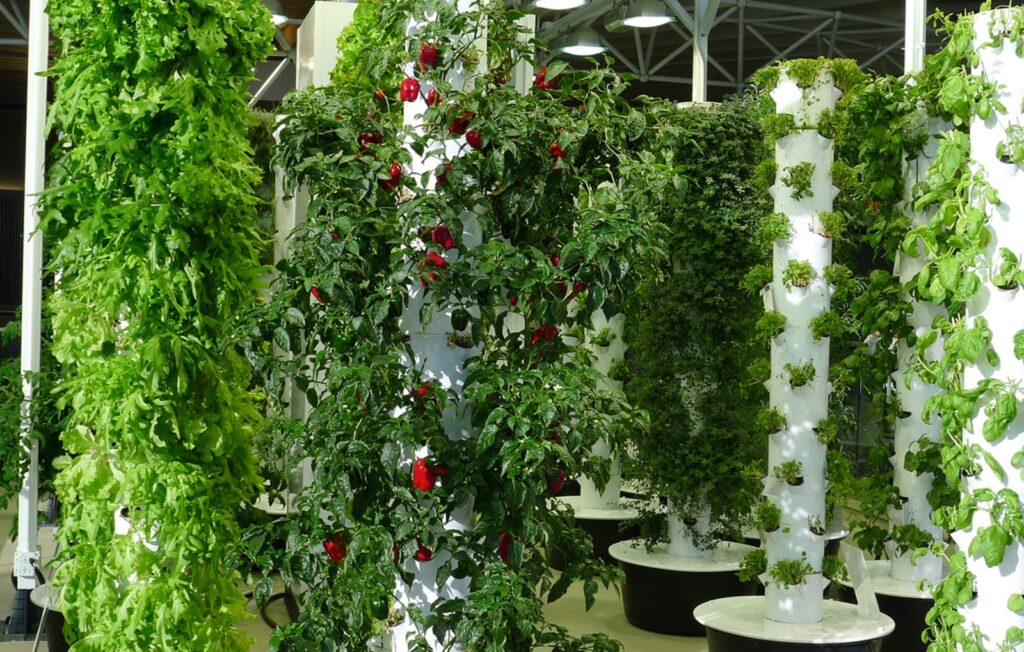
When you can’t grow outward, grow upward. Use trellises, hanging baskets, or vertical planters to maximize space.
- Grow climbing crops like cucumbers, beans, and peas on vertical supports.
- Use hanging pots for strawberries, herbs, or cherry tomatoes.
- Build a pallet garden against a wall for small greens and lettuce.
This not only saves ground space but also improves air circulation, reducing pest problems and disease.
Hack 2: Succession Planting
Instead of planting everything at once, stagger your crops.
For example:
- Plant lettuce or spinach every two weeks to ensure a continuous harvest.
- After harvesting early-season crops like radishes, replace them with late-season ones like carrots or kale.
This keeps your garden productive all year long and avoids having everything ripen at once.
Hack 3: Companion Planting
Certain plants grow better together and help each other thrive.
Try these classic pairings:
- Tomatoes + Basil: Basil repels pests and enhances tomato flavor.
- Carrots + Onions: Onions deter carrot flies, and carrots loosen soil for onions.
- Cucumbers + Beans: Beans fix nitrogen in the soil, benefiting cucumbers.
Companion planting naturally boosts yields, reduces pests, and improves plant health.
Hack 4: Mulching for Less Work and More Growth
Covering your soil with mulch (straw, dried leaves, or compost) keeps it moist, suppresses weeds, and improves soil fertility. Less watering, fewer weeds, and better growth—it’s the ultimate low-effort hack.
Hack 5: Water the Smart Way
Overwatering or underwatering can limit yields.
Try these methods:
- Use drip irrigation or soaker hoses to deliver water directly to the roots.
- Water early in the morning to reduce evaporation.
- Add a layer of mulch to keep moisture locked in.
Hack 6: Use Kitchen Scraps to Regrow Veggies
Some vegetables can regrow from scraps:
- Green onions, leeks, and lettuce: Place the base in a cup of water and watch them regrow.
- Garlic and ginger: Plant cloves or small pieces to start new plants.
- Carrots and beets: Use the tops to regrow greens for salads.
This reduces waste while giving you free produce!
Hack 7: Attract Pollinators
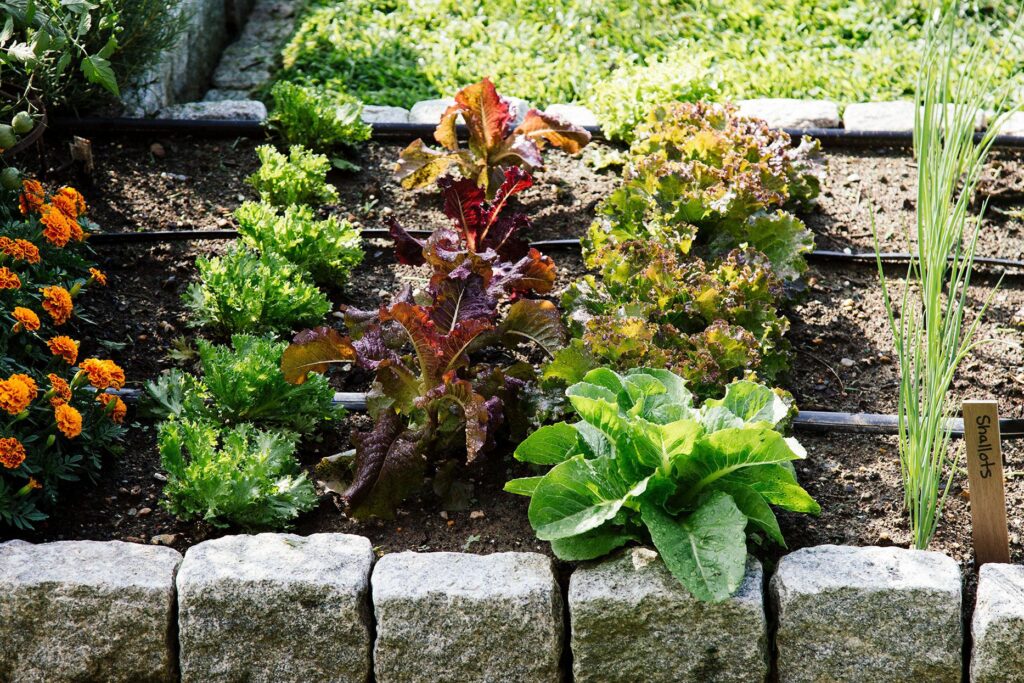
Bees, butterflies, and ladybugs are essential for vegetable production. Grow flowers like marigolds, lavender, or sunflowers near your garden to attract them. More pollinators mean better yields.
Hack 8: Compost Like a Pro
Turn kitchen scraps into garden gold. Compost adds vital nutrients to your soil and reduces the need for chemical fertilizers.
Quick tip: Combine green materials (food scraps, grass clippings) and brown materials (leaves, cardboard) in a 2:1 ratio for best results.
4. Growing High-Yield Vegetables for Vegetarian Recipes
Some veggies simply produce more food per square foot than others. If your goal is to cook more vegetarian dishes, focus on these top performers:
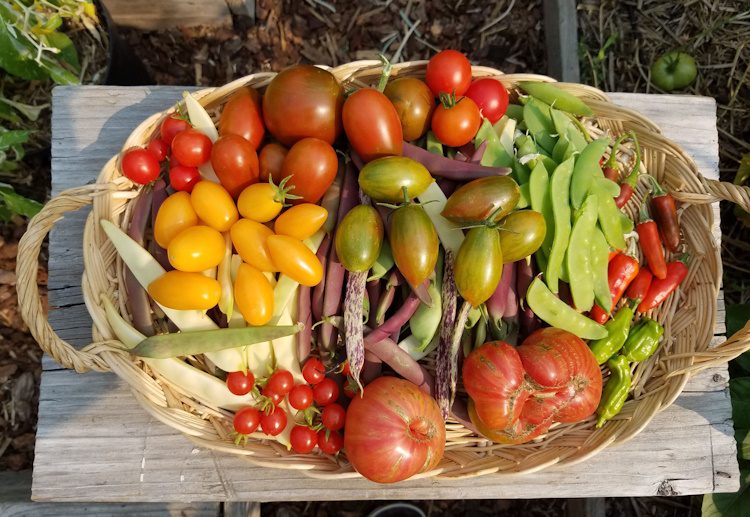
- Tomatoes: Great for sauces, soups, salads, and pastas.
- Zucchini: One plant produces pounds of fruit; perfect for stir-fries, fritters, and curries.
- Lettuce and Spinach: Fast-growing greens for wraps, sandwiches, and smoothies.
- Beans: Excellent plant-based protein source; ideal for stews and salads.
- Peppers: Colorful, flavorful, and perfect for grilling or stuffing.
- Herbs: Basil, cilantro, mint, and oregano elevate any dish with fresh flavor.
With these staples, you can make an endless variety of vegetarian recipes straight from your garden.
5. Cooking with Your Garden Bounty
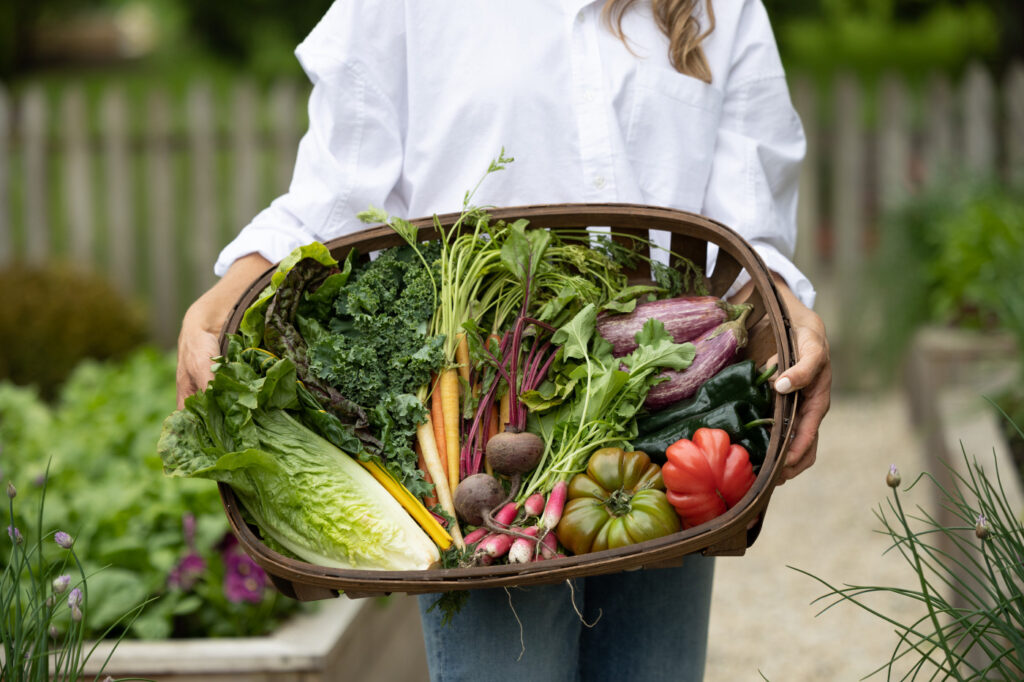
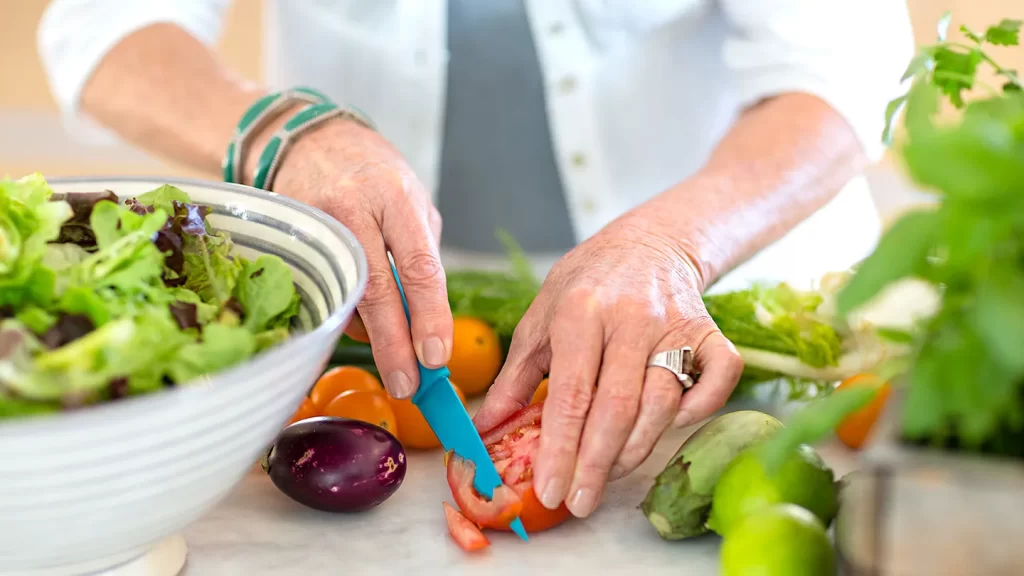
Harvesting fresh produce is only half the joy—the real magic happens in the kitchen. Here are some easy vegetarian dishes that highlight your homegrown harvest:
Garden Veggie Stir-Fry
Use your own peppers, beans, and zucchini. Toss them in olive oil with garlic and soy sauce for a quick, healthy dinner.
Fresh Tomato Basil Pasta
Combine sun-ripened tomatoes, fresh basil, and garlic for a vibrant, no-fuss pasta sauce.
Zucchini Fritters
Grate your homegrown zucchini, mix with flour, herbs, and spices, and pan-fry for a crispy, satisfying snack.
Herb-Packed Salad
Mix homegrown lettuce, spinach, parsley, and mint for a refreshing green salad with lemon dressing.
Homemade Veggie Soup
Combine carrots, beans, tomatoes, and herbs into a hearty soup—perfect for batch cooking and freezing.
These dishes showcase the natural flavor of freshly picked produce—something no supermarket can match.
6. Preserve Your Harvest
To enjoy your garden’s bounty year-round, learn to store or preserve excess produce:
- Freezing: Chop and freeze peppers, beans, or greens.
- Drying: Air-dry herbs and store in airtight jars.
- Canning: Preserve tomatoes, sauces, and soups for winter meals.
- Pickling: Make crunchy pickled cucumbers, carrots, or beets.
Preserving ensures nothing goes to waste and keeps your vegetarian recipes fresh all year.
7. Sustainable Gardening for the Future
A productive garden should also be an eco-friendly one. Use organic fertilizers, avoid pesticides, and rotate your crops each season to maintain healthy soil. Reuse containers, collect rainwater, and compost to close the sustainability loop.
Gardening this way not only benefits your household but contributes to a healthier planet—less waste, fewer emissions, and more greenery.
8. Final Thoughts: Grow More, Cook Better, Live Greener
A well-planned, high-yield garden can completely transform your vegetarian lifestyle. With the right hacks—vertical growing, companion planting, composting, and smart watering—you can produce a continuous harvest of fresh vegetables in any space.
When your kitchen fills with the aroma of herbs and the taste of freshly picked veggies, you’ll feel the satisfaction of true self-sufficiency. Gardening connects you to nature, inspires creativity in cooking, and strengthens your commitment to sustainability.
So grab your tools, plant those seeds, and start growing the ingredients for your next delicious vegetarian recipe. Every hack you apply brings you one step closer to a greener plate, a healthier lifestyle, and a thriving, productive garden that keeps on giving.