There’s a special kind of satisfaction that comes from growing your own food — the feel of soil between your fingers, the thrill of seeing plants thrive, and the pride of harvesting something truly your own. Among all the crops you can grow in your backyard, potatoes stand out as one of the most rewarding. They’re hearty, easy to grow, and incredibly versatile in the kitchen. From creamy mashed sides to golden-roasted wedges, homegrown potatoes bring unmatched freshness and flavor to every meal.
This article explores how you can transform your backyard into a productive potato patch and turn your harvest into wholesome, homemade goodness that nourishes both body and soul.
1. Why Grow Your Own Potatoes?
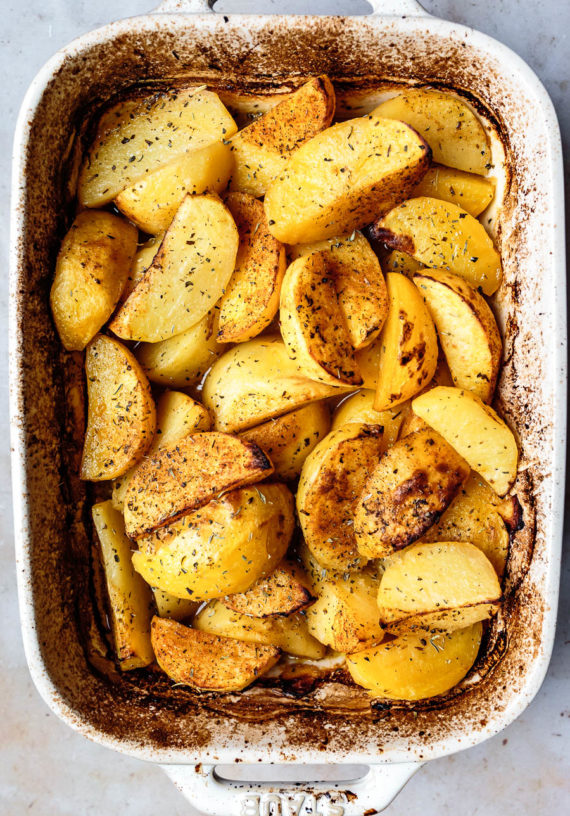
Potatoes are a staple in cuisines around the world — affordable, filling, and delicious in countless recipes. But store-bought potatoes, often weeks or months old, can’t compete with the taste and nutrition of freshly harvested ones.
Here’s why growing your own is worth the effort:
- Superior Taste and Texture: Homegrown potatoes are creamier and richer in flavor than mass-produced ones.
- Nutritional Freshness: Freshly harvested potatoes retain more vitamin C, potassium, and antioxidants.
- Sustainability: Backyard gardening reduces your carbon footprint and food waste.
- Cost-Effective: A few seed potatoes can yield several kilograms of produce, saving money in the long run.
- Connection to Nature: Gardening offers mental relaxation and a deeper appreciation of the food you eat.
Bringing potatoes from your backyard to your table is a delicious step toward self-reliance and healthy living.
2. Choosing the Right Potato Variety
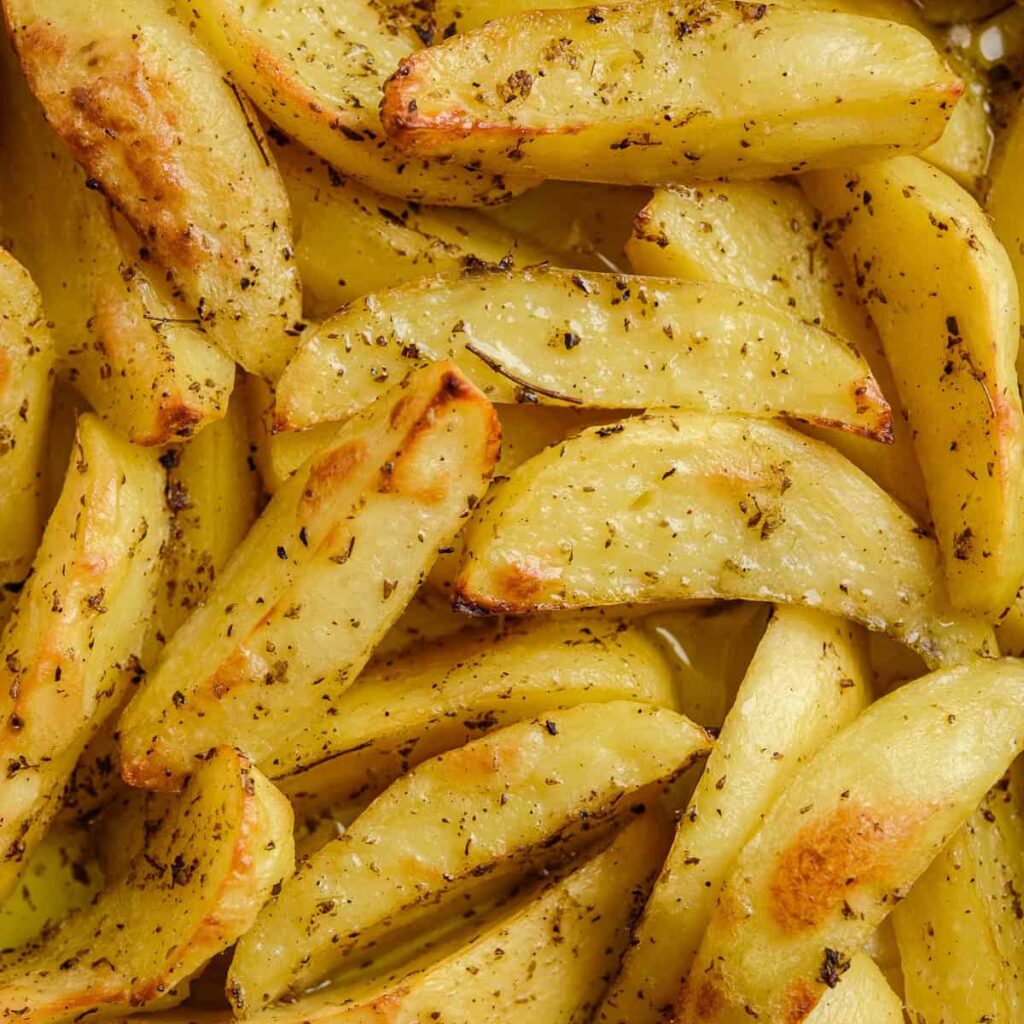
Potatoes come in many shapes, colors, and cooking types — and choosing the right variety can make your garden and meals more rewarding.
- Starchy Potatoes (e.g., Russet, Idaho): Perfect for baking, frying, or mashing due to their fluffy texture.
- Waxy Potatoes (e.g., Red Bliss, Fingerling): Best for salads and stews because they hold their shape well.
- All-Purpose Potatoes (e.g., Yukon Gold, Kennebec): Excellent for most recipes, from roasting to boiling.
For beginners, Yukon Gold is an excellent choice — it’s adaptable, disease-resistant, and yields deliciously buttery tubers perfect for all types of homemade meals.
3. Preparing Your Backyard for Planting
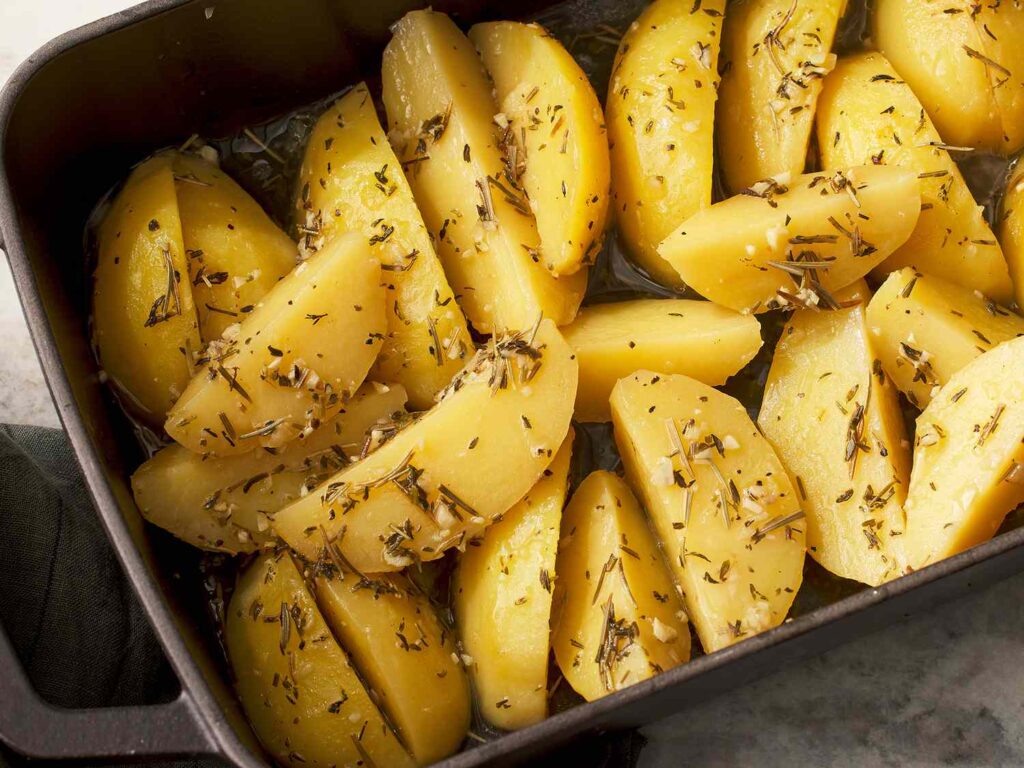
Potatoes thrive in well-drained, loose, and slightly acidic soil with a pH of 5.0–6.5. Preparing your garden properly sets the foundation for a strong harvest.
Steps to Prepare the Soil:
- Pick a Sunny Spot: Choose a location that receives at least 6–8 hours of sunlight daily.
- Loosen the Soil: Dig or till about 8–10 inches deep to allow tubers room to expand.
- Add Organic Matter: Enrich your soil with compost, aged manure, or organic fertilizer to boost fertility.
- Avoid Fresh Manure: Fresh manure can lead to potato scab, a common soil-borne disease.
If your soil is heavy clay or poorly draining, consider using raised beds or large containers filled with a mix of compost and loose soil for better results.
4. Planting the Seed Potatoes
Unlike many crops, potatoes are not grown from seeds but from “seed potatoes” — small tubers or pieces of tubers that sprout new plants.
Planting Guide:
- Prepare Seed Pieces: Cut large seed potatoes into 2-inch chunks, ensuring each has at least one “eye.” Let them dry for a day or two before planting.
- Planting Depth: Bury the pieces 4 inches deep, eyes facing up.
- Spacing: Keep 12 inches between plants and 2–3 feet between rows.
- Hilling: As plants grow 6–8 inches tall, mound soil around the base to protect developing tubers from sunlight and encourage more growth.
Hilling is crucial — it prevents green, bitter potatoes and increases your overall yield.
5. Caring for Your Potato Plants
Potatoes are relatively low-maintenance, but they thrive best with consistent attention to moisture, nutrition, and pest control.
- Watering: Keep the soil evenly moist, especially during flowering when tubers form. Water once or twice weekly, depending on rainfall.
- Mulching: Apply straw, dried leaves, or grass clippings around plants to retain moisture and suppress weeds.
- Feeding: Use a low-nitrogen fertilizer (such as a 5-10-10 mix) once during early growth and again before flowering.
- Pest Management: Watch for potato beetles, aphids, and blight. Handpick pests and use organic solutions like neem oil or insecticidal soap.
A little regular care ensures strong, healthy plants that produce plump, flavorful potatoes.
6. Harvesting the Bounty
After about 90–120 days, your backyard garden will be ready to reward you with fresh potatoes.
When to Harvest:
- For New Potatoes: Harvest 2–3 weeks after the plants flower. These small, thin-skinned potatoes are tender and sweet.
- For Mature Potatoes: Wait until the foliage yellows and dies back. This allows the skins to toughen for better storage.
How to Harvest:

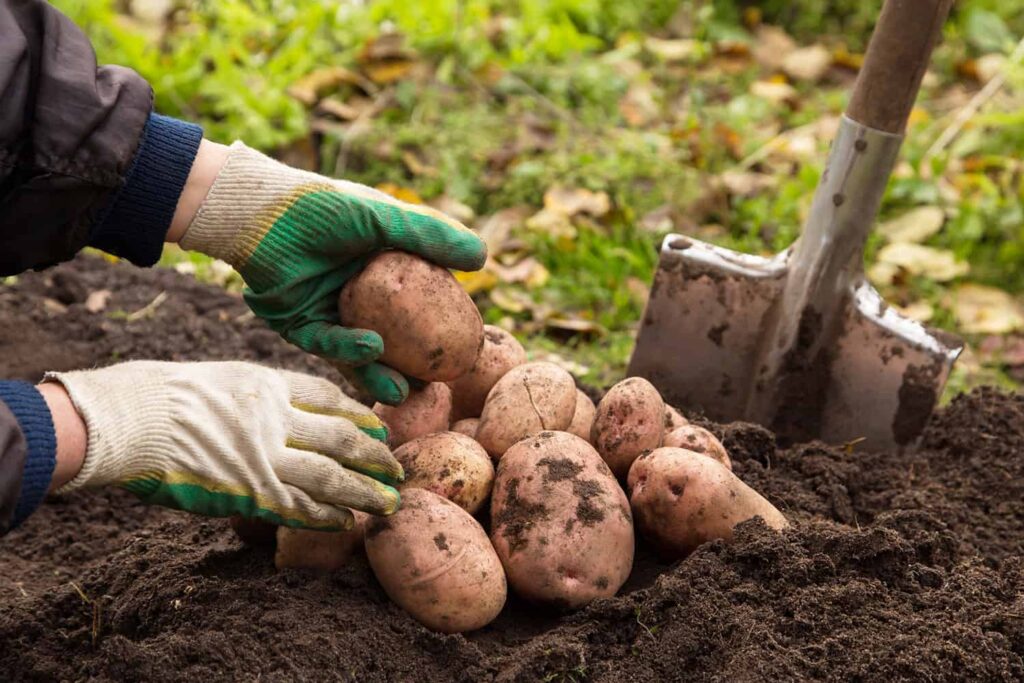
- Gently loosen the soil with a garden fork or trowel.
- Lift the plant from the base, being careful not to damage the tubers.
- Let harvested potatoes dry in a cool, shaded area for 1–2 weeks.
Once cured, store them in a dark, well-ventilated place at 45–50°F — your harvest can last for months!
7. From Garden to Kitchen: Cooking with Homegrown Potatoes
Now comes the best part — turning your homegrown potatoes into comforting, homemade dishes that celebrate your garden’s goodness.
Here are some simple and satisfying vegetarian recipes to try:
a. Classic Roasted Potatoes with Herbs
Toss cubed potatoes with olive oil, rosemary, thyme, and a pinch of sea salt. Roast at 425°F until crispy and golden — the perfect side for any meal.
b. Creamy Garlic Mashed Potatoes
Boil peeled potatoes until tender, then mash with roasted garlic, olive oil, and a splash of plant-based milk. Add chives or parsley for a fresh finish.
c. Potato and Spinach Curry
Simmer diced potatoes in tomato sauce with onions, garlic, ginger, and spices. Add spinach for a nutrient-packed Indian-style comfort dish.

d. Homemade Gnocchi
Turn boiled potatoes into soft dough with flour and salt, shape into small dumplings, and boil until they float. Pair with basil pesto or marinara for a gourmet meal from your backyard.
e. Vegetable Shepherd’s Pie
Layer mashed potatoes over a filling of lentils, carrots, and peas, then bake until golden brown — a hearty vegetarian classic.
Each recipe captures the warmth and comfort that only homegrown potatoes can bring to your table.
8. Sustainability and Joy in Home Gardening
Growing potatoes at home offers more than just delicious meals — it encourages a sustainable and mindful lifestyle. Every stage, from planting to harvesting, connects you with the rhythm of nature and teaches patience and gratitude.
Here’s how growing potatoes supports sustainability:
- Reduces Food Miles: No transport emissions — your food grows right outside your kitchen door.
- Zero Waste: Compost peels and leftovers to enrich next season’s soil.
- Supports Self-Reliance: Having your own supply of staple foods builds food security.
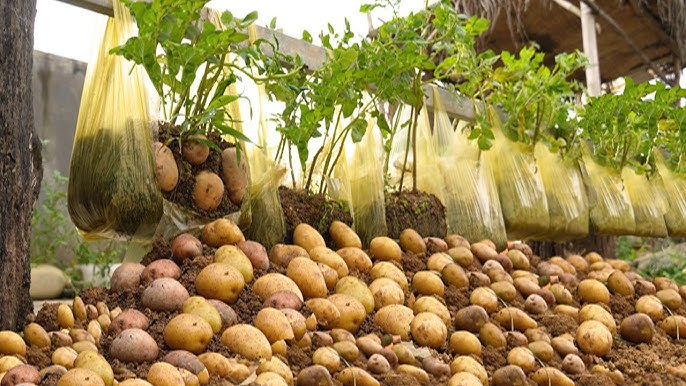
Even small gardens or balcony spaces can yield enough potatoes for several meals — proof that homegrown goodness doesn’t require acres of land.
9. Common Problems and How to Solve Them
- Green Potatoes: Caused by exposure to sunlight. Prevent by keeping soil hilled up.
- Overwatering: Leads to rot — water moderately and ensure good drainage.
- Pests: Rotate crops each year and introduce companion plants like marigolds or beans to deter insects.
- Blight: Avoid watering foliage and remove any infected plants immediately.
With consistent care and preventive action, your potato garden will thrive season after season.
10. Bringing It All Together: The Backyard-to-Table Experience
When you serve a dish made from your own garden’s harvest, every bite tells a story — one of patience, nurture, and the simple joy of homemade food. From planting the first sprout to digging up your crop, every step brings you closer to your food and to nature.
The beauty of growing potatoes lies in their simplicity — they don’t demand much, yet they give abundantly. Whether you’re an experienced gardener or just starting out, a backyard potato patch offers the perfect introduction to sustainable, delicious living.
Conclusion
Turning your backyard into a potato-growing haven is more than a gardening project — it’s a lifestyle shift toward wholesome, homegrown eating. Potatoes are the ultimate comfort food, and when they come from your own soil, their flavor carries an extra touch of pride and satisfaction.
From planting to plating, every stage of the journey — backyard to table — is filled with joy, learning, and nourishment. So, roll up your sleeves, plant those seed potatoes, and start cultivating your own homemade goodness today. Because nothing tastes better than comfort food made with love — and grown just outside your door.