Few foods bring as much comfort and satisfaction as a warm, hearty potato dish. Whether it’s a creamy mash, a golden roast, or a bubbling stew, potatoes have long been at the center of vegetarian comfort food. But imagine taking that comfort one step further — by growing your own.
There’s an undeniable joy in digging into the soil, pulling up your own fresh potatoes, and turning them into wholesome, home-cooked meals. It’s more than just gardening — it’s about connection: to nature, to food, and to yourself. Growing potatoes combines the thrill of harvest with the comfort of cooking, creating a complete “garden-to-table” experience that’s deeply rewarding and sustainable.
This guide will take you through every step of growing potatoes at home — from planting to harvest — and show you how to turn your bounty into delicious vegetarian comfort dishes that nourish both your body and spirit.
Why Potatoes Are the Perfect Comfort Food

Potatoes are beloved worldwide because they deliver what comfort food does best — warmth, heartiness, and nostalgia. But beyond that, they are a nutritional and culinary powerhouse for plant-based eaters:
- Nutritionally Balanced: Rich in potassium, vitamin C, and fiber, potatoes provide lasting energy and essential nutrients.
- Filling and Versatile: Their starchy, creamy texture makes them the perfect foundation for satisfying meatless dishes.
- Naturally Sustainable: Potatoes yield a high amount of food from minimal space, making them ideal for sustainable home gardening.
When you grow them yourself, every bite tastes fresher, sweeter, and more fulfilling. There’s nothing quite like the flavor of potatoes lifted straight from the earth and cooked within hours of harvest.
Step 1: Choosing the Right Potato Varieties

One of the most enjoyable parts of potato gardening is exploring the many varieties available — each with unique textures, colors, and flavors. Choosing the right type can elevate your comfort dishes from ordinary to extraordinary.
Here are a few recommended varieties for home gardeners:
- Waxy Potatoes (Red Pontiac, Fingerling, or New Potatoes): Firm and smooth, perfect for salads, soups, and curries. They hold their shape when cooked.
- All-Purpose Potatoes (Yukon Gold, Kennebec): Creamy yet slightly firm, these are ideal for mashing, roasting, or baking — versatile staples for most comfort dishes.
- Starchy Potatoes (Russet, Maris Piper): Fluffy and light, great for mashed potatoes, shepherd’s pie, and crispy oven fries.
If your goal is to prepare a range of vegetarian meals, plant a combination of these varieties. This way, you’ll have the perfect potato for every recipe throughout the year.
Step 2: Preparing the Soil for Success
Healthy soil is the secret to a successful potato harvest. Potatoes thrive in loose, well-drained, and nutrient-rich soil.
Here’s how to prepare your garden bed:
- Choose a Sunny Spot: Potatoes love full sun — at least 6–8 hours daily.
- Loosen the Soil: Dig the soil about 8–10 inches deep to allow space for tuber growth.
- Add Organic Matter: Mix in compost or well-rotted manure for nutrients and moisture retention.
- Check pH Levels: Potatoes prefer slightly acidic soil (pH 5.0–6.5). If your soil is alkaline, add organic matter or sulfur to balance it.
If you’re short on space, don’t worry — potatoes grow wonderfully in containers, sacks, or raised beds. Container gardening also makes harvesting cleaner and easier.
Step 3: Planting Your Potatoes

For the best results, use certified seed potatoes, which are disease-free and bred for healthy growth. Avoid using supermarket potatoes, as they’re often treated to prevent sprouting.
Planting Process:
- Cut Large Seed Potatoes: Slice them into chunks with at least one “eye” each (where sprouts form). Let the pieces dry for 1–2 days to prevent rotting.
- Plant Depth: Place each piece 4 inches deep, eyes facing upward.
- Spacing: Keep about 12 inches between plants and 2–3 feet between rows.
- For Containers: Fill the pot with 6 inches of soil, plant the potatoes, and cover with 4 more inches.
As the plants grow, “hill up” soil around their base every couple of weeks. This encourages more tubers to form and prevents greening, which can make potatoes inedible.
Step 4: Caring for Your Potato Plants
Potatoes are remarkably low-maintenance, but a little attention ensures a thriving harvest.

- Watering: Keep soil evenly moist but not waterlogged. Inconsistent watering can cause tubers to crack or become misshapen.
- Mulching: Use straw or dried leaves to retain moisture, control weeds, and protect tubers from sunlight.
- Fertilizing: Feed plants midway through growth with compost tea or organic fertilizer high in potassium and phosphorus.
- Pest Control: Watch out for potato beetles and aphids. Handpick beetles or use organic neem spray.
- Crop Rotation: Avoid planting potatoes in the same spot two years in a row to prevent soil-borne diseases.
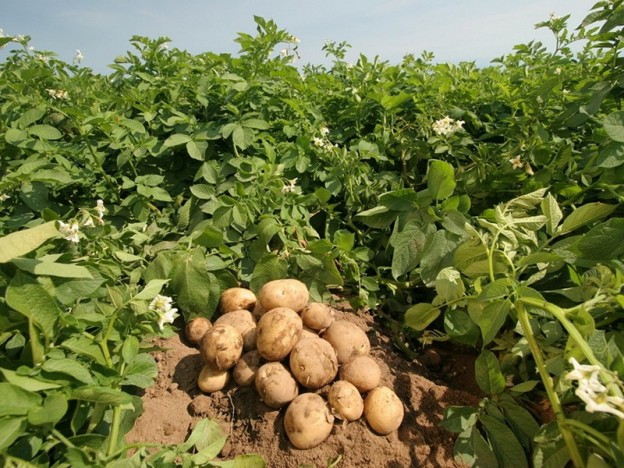
By mid-season, you’ll notice your potato plants flowering — a sure sign that tubers are developing beneath the surface.
Step 5: Harvesting the Joy
Harvesting potatoes is one of the most satisfying gardening moments — like digging for buried treasure.
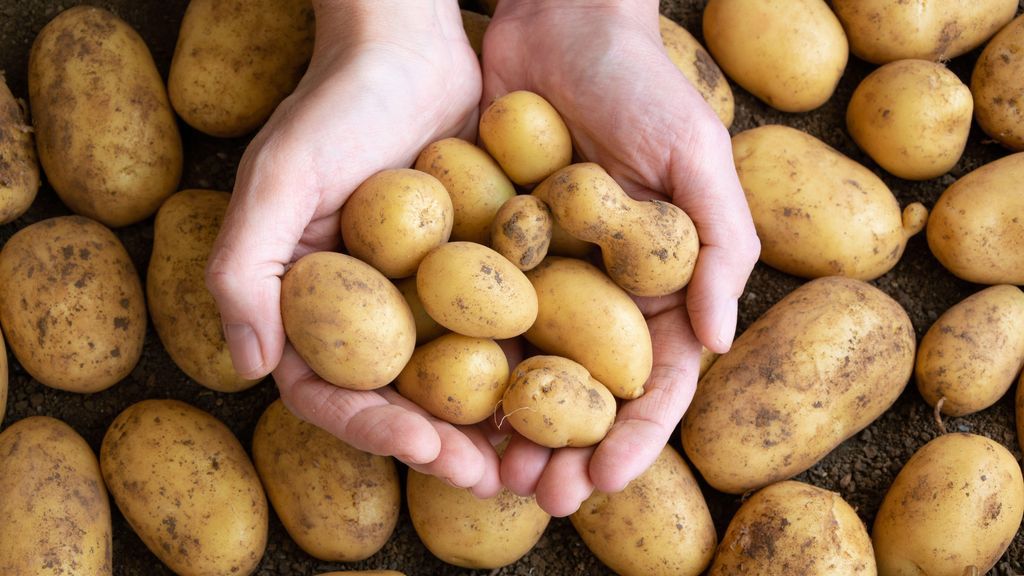
- New Potatoes: These young, tender tubers are ready about 8–10 weeks after planting, usually when the plants begin to flower. Perfect for light soups and salads.
- Maincrop Potatoes: Wait until the foliage turns yellow and dies back — around 15–20 weeks. Gently lift the soil with a fork or your hands to avoid damaging the tubers.
After harvest, brush off excess dirt (don’t wash them right away), and let the potatoes air-dry in a cool, shaded spot for a few hours. Store them in a dark, dry place with good airflow — they can last several months this way, giving you a steady supply for your favorite veggie comfort meals.
Step 6: From Garden to Kitchen – Turning Potatoes into Comfort
Once you’ve harvested your homegrown potatoes, the fun truly begins — transforming them into cozy, flavorful vegetarian dishes. The freshness of garden potatoes elevates every recipe, adding a natural sweetness and creamy texture.
Here are a few comforting meal ideas that showcase the versatility of your harvest:

- Creamy Potato Soup with Herbs
Simmer diced potatoes with onions, garlic, and leeks in vegetable broth. Blend for a smooth texture and finish with fresh herbs for a rich, soul-warming bowl. - Homestyle Mashed Potatoes with Roasted Garlic
Boil and mash your potatoes with roasted garlic, olive oil, and a splash of oat or almond milk. The perfect base for veggie gravies or plant-based “meatloaf.” - Oven-Baked Potato Casserole
Layer thin potato slices with spinach, zucchini, and vegan cheese, then bake until golden and bubbly. Comfort food perfection in every bite. - Potato and Chickpea Curry
A fragrant mix of spices, tomatoes, and coconut milk turns your potatoes into a rich, hearty curry perfect for pairing with rice or flatbread. - Crispy Potato Pancakes (Latkes)
Grate your potatoes, mix with chickpea flour, onions, and herbs, then pan-fry until crisp. Great for brunch or a light dinner.
Every recipe celebrates the heartiness of potatoes — their ability to satisfy cravings and comfort the soul, especially when they come fresh from your own garden.
Step 7: The Deeper Joy of Growing Your Own Food
The true joy of growing potatoes lies not just in the harvest, but in the process itself. Watching sprouts break through the soil, nurturing the plants as they grow, and finally uncovering your own crop brings a deep sense of fulfillment.
Gardening encourages mindfulness, patience, and appreciation for natural cycles. You begin to notice how rain, sun, and soil work together — and how your care transforms a few seed potatoes into nourishing food.
It’s also an act of sustainability and independence. By growing your own food, you:
- Reduce your reliance on commercial agriculture.
- Lower your carbon footprint by cutting down food transport.
- Eat fresher, healthier, chemical-free produce.
- Create less waste through composting and reusing organic materials.
Each harvest becomes a celebration — of effort, patience, and connection to the earth.
Conclusion: Comfort Food, Cultivated by You
From the cool soil beneath your hands to the warm plate on your table, growing your own potatoes is an experience full of comfort, creativity, and joy. It’s a reminder that real nourishment doesn’t just come from recipes — it comes from the simple act of caring for what you eat.
With just a small patch of earth, a few seed potatoes, and a bit of love, you can create endless veggie comfort dishes right from your backyard. Whether you’re making a rustic soup, a golden casserole, or a creamy mash, every bite will carry the flavor of your own effort and care.
So, grab a trowel, plant a few potatoes, and discover the happiness that comes from feeding both your garden and your soul. Because when comfort food begins in your own backyard, it truly tastes like home.